
I remember sitting on my kitchen floor last Tuesday, surrounded by half-finished upcycling projects and a mountain of unread emails, feeling like my chest was being squeezed by an invisible vice. It wasn’t some grand, cinematic crisis; it was just that familiar, suffocating hum of overwhelm that makes even the simplest task feel like climbing Everest. I spent years thinking I needed expensive retreats or complex psychological frameworks just to figure out how to manage anxiety, but honestly? Most of that high-priced advice feels totally disconnected from the messy reality of real life.
I’m not here to sell you a lifestyle overhaul or a magic pill that promises instant zen. Instead, I want to share the small, gritty, and incredibly practical tools that actually helped me find my footing when things got heavy. We’re going to skip the fluff and dive straight into simple, actionable steps you can use right now to reclaim your headspace. Think of this as a toolkit for the real world—one built on trial, error, and the belief that you can find your balance again without making life even more complicated.
Table of Contents
- Mindfulness for Anxiety Relief Small Moments of Peace
- Breathing Exercises for Panic Attacks to Reclaim Your Balance
- Little Wins: 5 Practical Ways to Quiet the Noise
- Quick Reminders for When Things Feel Heavy
- A Little Reminder for the Overwhelmed Days
- Finding Your Way Forward
- Frequently Asked Questions
Mindfulness for Anxiety Relief Small Moments of Peace
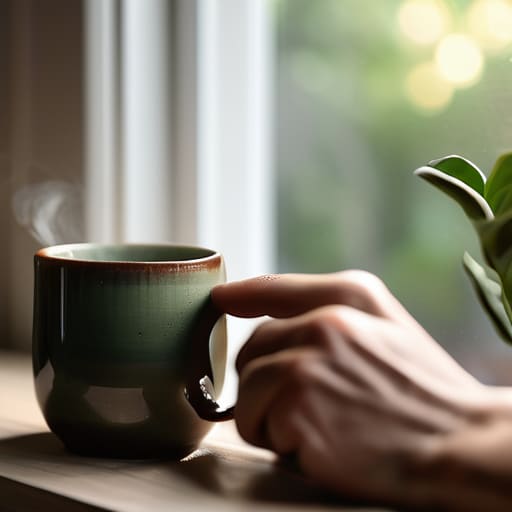
When I first started feeling the weight of city life, I thought mindfulness meant sitting on a yoga mat for an hour in total silence. Honestly? That felt impossible. I quickly learned that mindfulness for anxiety relief doesn’t have to be this grand, sweeping gesture. It’s actually about those tiny, quiet pockets of time we can reclaim throughout our day. Whether it’s feeling the warmth of your coffee mug against your palms or really noticing the texture of the leaves in my little urban garden, these micro-moments act as a reset button for your nervous system.
If things start to feel a bit too heavy, I’ve found that focusing on your senses is one of the most effective anxiety coping mechanisms available to us. When my thoughts start racing, I try to ground myself by naming three things I can see and two things I can hear. It sounds simple—almost too simple—but it pulls you out of that spiral and back into the present. It’s not about making the stress disappear instantly, but rather about creating a little bit of breathing room so you can catch your breath and move forward.
Breathing Exercises for Panic Attacks to Reclaim Your Balance

When things feel like they’re spiraling and that sudden wave of panic hits, it can feel incredibly isolating. I’ve been there—where your heart is racing and your breath feels shallow, making it hard to think straight. In those intense moments, one of the most effective breathing exercises for panic attacks is the “Box Breathing” method. It sounds simple, but it works because it forces your nervous system to step out of “fight or flight” mode and back into a state of calm.
To try it, inhale slowly for a count of four, hold that breath for four, exhale for four, and then hold empty for another four. Repeat this cycle until you feel your pulse begin to steady. It’s one of my favorite anxiety coping mechanisms because you can do it anywhere—whether you’re stuck in a crowded subway or sitting in a stressful meeting—without anyone even noticing. By focusing on the rhythm of your breath, you’re essentially giving your brain a tiny, much-needed anchor to hold onto while the storm passes.
Little Wins: 5 Practical Ways to Quiet the Noise
- Move your body, even just a little. When my brain feels like it’s running a marathon on a treadmill, I find that a quick ten-minute walk or even just some light stretching helps “reset” my system. You don’t need a heavy gym session; just get that stagnant energy moving.
- Write it all out to clear the mental clutter. I swear by “brain dumping”—taking a piece of paper and scribbling down every single worry, no matter how silly it feels. Once it’s out of my head and on the page, it feels much more manageable and way less intimidating.
- Create a “sensory anchor” in your space. Sometimes anxiety makes me feel totally disconnected from reality. I like to keep something tactile nearby, like a smooth stone or a soft piece of fabric, to touch when things feel overwhelming. It’s a tiny, physical way to ground yourself in the present moment.
- Set boundaries with your digital life. It sounds simple, but the constant ping of notifications can be a huge hidden trigger. I’ve started setting “no-phone zones” during my morning coffee or an hour before bed. Giving your brain a break from the information overload is a total game-changer.
- Focus on the “Next Smallest Step.” When anxiety makes a task look like a giant mountain, I stop looking at the peak and just look at my feet. Don’t worry about the whole project or the whole day; just ask yourself, “What is the very next tiny thing I need to do?” and start there.
Quick Reminders for When Things Feel Heavy
Remember that mindfulness isn’t about clearing your head completely; it’s just about finding those tiny, quiet pockets of peace throughout your day to ground yourself.
When panic starts to rise, lean into your breathing—it’s your most reliable, built-in tool to signal to your body that you are actually safe.
Be gentle with yourself as you practice these steps; finding your balance is a journey, not a race, and every small win counts.
A Little Reminder for the Overwhelmed Days
“Managing anxiety isn’t about forcing the storm to stop; it’s about learning how to build a steady, quiet space within yourself so you can weather the waves without losing your footing.”
Emma Thompson
Finding Your Way Forward
We’ve covered a lot of ground today, from finding those tiny pockets of stillness through mindfulness to using specific breathing techniques when things feel like they’re spinning out of control. I know that when you’re in the thick of it, even the smallest tool can feel like a lifeline. The most important thing to remember is that managing anxiety isn’t about achieving a state of permanent, perfect calm—it’s about having a reliable toolkit to help you navigate the waves when they inevitably roll in. By practicing these small, manageable steps, you are slowly but surely rebuilding your sense of agency and control over your own well-being.
If I could leave you with just one thought, it’s this: please be gentle with yourself. Some days will feel like a huge victory, and other days might feel like you’re just barely keeping your head above water, and that is perfectly okay. Progress isn’t a straight line; it’s a series of small, brave choices to keep showing up for yourself. You don’t have to figure it all out today. Just focus on the next right step, and remember that you are never walking this path alone. We’re all just doing our best to find our balance, one day at a time.
Frequently Asked Questions
What should I do if these breathing exercises or mindfulness techniques aren't working when I'm in the middle of a really intense moment?
I totally hear you, and honestly, it’s okay to feel frustrated when those tools don’t seem to kick in right away. When things feel truly overwhelming, try a “shock to the system” instead. Splash some ice-cold water on your face or hold an ice cube in your hand. That intense physical sensation can help pull your brain out of a spiral and back into your body when breathing just isn’t cutting it.
Are there certain daily habits or lifestyle changes, like diet or sleep, that can help prevent anxiety from building up in the first place?
Building a foundation of wellness is such a game-changer. I’ve found that small, consistent shifts in my routine make a huge difference in how I handle stress. Prioritizing a regular sleep schedule and keeping my caffeine intake in check really helps stabilize my mood. Also, moving my body—even just a quick walk through the park—and eating balanced meals keeps my energy steady so anxiety doesn’t find an easy foothold.
How can I tell the difference between just feeling a bit stressed out and when it's actually time to reach out to a professional for help?
It’s such a common question, and honestly, I used to wonder the same thing. Think of stress like a heavy backpack—it’s tiring, but you can usually set it down for a bit. Anxiety, however, feels more like it’s part of your actual body. If your racing thoughts or physical symptoms are stopping you from working, sleeping, or enjoying the little things, that’s your sign. Don’t wait for a breaking point to reach out.