
I was sitting on my floor last Tuesday, surrounded by half-finished upcycling projects and a mountain of laundry, staring at my laptop with absolutely zero desire to move. We’ve all been there, haven’t we? You see those influencers posting about their “5:00 AM productivity rituals” and expensive planners, and it makes you feel like you’re failing just because you can’t find the magic spark. But honestly, I’m so tired of the idea that you need a complete life overhaul to get things done. Learning how to stay motivated shouldn’t feel like a full-time job or a luxury reserved for people with endless energy and perfectly curated aesthetics.
I’m not here to sell you on a “hustle harder” mentality that leads straight to burnout. Instead, I want to share the small, messy, and very real strategies that actually work when life gets heavy. We’re going to skip the fluff and focus on practical, low-pressure shifts that help you find your rhythm again. My goal is to give you a toolkit of gentle, actionable steps that fit into your actual life, helping you move forward without feeling like you’re constantly running uphill.
Table of Contents
- The Psychology of Intrinsic Motivation and Finding Joy
- Daily Productivity Habits for a More Balanced Morning
- Small Wins and Gentle Shifts: My Go-To Strategies for Staying on Track
- Small Wins, Big Impact: My Top Takeaways
- A Little Reminder for the Hard Days
- Finding Your Flow
- Frequently Asked Questions
The Psychology of Intrinsic Motivation and Finding Joy
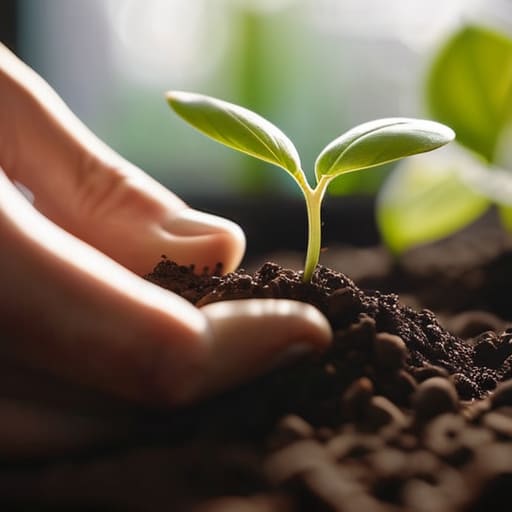
To really understand why we sometimes feel stuck, we have to look a little deeper than just “willpower.” I used to think that if I just tried harder, I’d suddenly become a productivity machine, but I was missing the core of the psychology of intrinsic motivation. When we rely solely on external rewards—like a treat after a long day or a pat on the back from a boss—our drive tends to fizzle out once that reward is gone. Real, lasting energy comes from within, fueled by tasks that actually align with our personal values and spark a sense of genuine curiosity.
I’ve found that when I connect my daily tasks to a bigger “why,” everything changes. Instead of viewing a project as a chore, I try to find one small element that I actually find interesting or meaningful. This shift is one of the most effective goal setting strategies I’ve ever used because it transforms a daunting to-do list into a series of purposeful steps. When you focus on the internal satisfaction of the process rather than just the end result, you create a sustainable rhythm that feels much more natural and far less like a constant uphill battle.
Daily Productivity Habits for a More Balanced Morning

I’ve always been a firm believer that how we spend our first hour sets the tone for everything that follows. For a long time, I used to hit snooze five times and then rush through a frantic, caffeine-fueled scramble, but I quickly realized that was a recipe for burnout. Instead of diving straight into my inbox, I’ve started incorporating small daily productivity habits that feel more like a gentle nudge than a drill sergeant’s command. Whether it’s spending ten minutes tending to my indoor herbs or simply sitting with a cup of tea before checking my phone, these quiet moments allow me to center myself.
Once I feel grounded, I move into my “big rock” task. This is where I apply some simple goal setting strategies to ensure I’m not just busy, but actually being effective. I like to pick one single thing—just one—that will make me feel proud of my progress by lunchtime. By tackling the most meaningful task while my mind is still fresh, I find it much easier to avoid that mid-morning slump and keep my energy steady throughout the day.
Small Wins and Gentle Shifts: My Go-To Strategies for Staying on Track
- Break it down into bite-sized pieces. I used to look at my massive to-do list and just freeze up, but now I try to pick just one tiny, manageable task to start with. Once you get that first little win under your belt, the momentum usually takes over.
- Curate your environment for focus. Sometimes, my brain just needs a change of scenery to reset. Whether it’s tidying up my desk or moving to a cozy corner of a local cafe, creating a space that feels intentional can make a huge difference in how you feel about your work.
- Practice the “Five-Minute Rule.” On those days when the motivation is nowhere to be found, I tell myself I’ll just do the task for five minutes. Usually, once I’ve broken the initial barrier of starting, I find it’s much easier to just keep going.
- Forgive yourself for the off days. We aren’t robots, and some days we just won’t have the energy, and that is perfectly okay. Instead of spiraling into guilt, I try to treat myself with a little kindness and just try again tomorrow.
- Connect back to your “Why.” When things feel like a slog, I take a moment to remind myself why I started this in the first place. Reconnecting with your underlying purpose—whether it’s for your career growth or your personal well-being—can act like a little spark of fuel when you’re running low.
Small Wins, Big Impact: My Top Takeaways
Remember that motivation isn’t a constant state; it’s okay to ride the waves. Instead of forcing yourself to be “on” all the time, focus on finding those small, intrinsic sparks of joy that keep you moving naturally.
Your morning routine shouldn’t feel like a chore list. By setting up gentle, sustainable habits early in the day, you’re building a foundation of momentum that carries you through the afternoon without the dreaded burnout.
Progress over perfection is the golden rule. Whether you’re tackling a career goal or a DIY project, keep things simple and manageable so you can celebrate the little victories along the way.
A Little Reminder for the Hard Days
“Motivation isn’t about waiting for a lightning bolt of inspiration to strike; it’s about showing up for yourself with kindness, even on the days when all you can manage is one small, messy step forward.”
Emma Thompson
Finding Your Flow
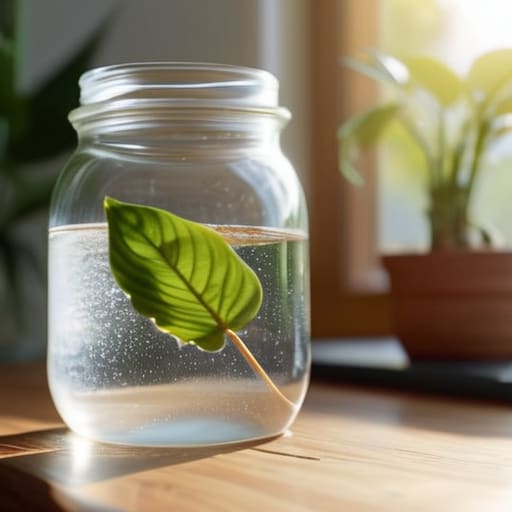
As we wrap things up, I want you to remember that staying motivated isn’t about a sudden burst of willpower or checking off a hundred items on a massive to-do list. It’s really about those small, intentional shifts we talked about—understanding what actually fuels your inner spark and setting up a morning routine that works with your energy rather than against it. Whether you’re focusing on the psychology of why you do what you do or simply carving out a little more breathing room in your early hours, the goal is to build a foundation that feels sustainable. It’s about making progress, not perfection, and learning to embrace the small wins along the way.
If you’re feeling a bit stuck today, please be gentle with yourself. Some days are meant for sprinting, and others are meant for slow, steady steps—and both are perfectly okay. Motivation isn’t a constant state of being; it’s a rhythm that ebbs and flows, much like the seasons in my garden. Just keep showing up, even if it’s in a tiny way, and trust that you are capable of navigating the messy parts of growth. You’ve got this, and I’m right here cheering you on as you find your own unique way to thrive.
Frequently Asked Questions
What should I do when I feel like I've hit a total wall and even the simplest tasks feel impossible?
Oh, I have been there more times than I’d like to admit. When that wall feels insurmountable, please give yourself permission to stop pushing. Instead of fighting the burnout, try the “five-minute rule”: pick one tiny, low-stakes task—like watering a single plant or clearing one corner of your desk—and do just that. If even that feels like too much, step away entirely. Sometimes, the most productive thing you can do is rest without guilt.
How can I stay motivated when I'm working on a long-term project that doesn't give me instant gratification?
When you’re staring down a marathon project, that lack of instant feedback can really suck. I’ve been there—staring at a half-finished DIY piece or a massive career goal feeling totally stuck. My trick? Break it down into “micro-wins.” Instead of looking at the mountain, just focus on the next small step. Celebrate those tiny victories! It keeps the momentum going and reminds you that you’re actually making progress, even when it feels slow.
Is it possible to stay driven without feeling like I'm constantly pushing myself toward burnout?
Oh, I hear you. I’ve definitely been there—feeling like I was running on a treadmill that was moving just a little too fast. The short answer is: yes, absolutely. The trick is shifting from “pushing” to “pacing.” Instead of relying on sheer willpower, which always runs out eventually, try focusing on sustainable rhythms. It’s about listening to your body and setting boundaries before you hit a wall, rather than trying to power through it.