
I remember sitting on my kitchen floor last Tuesday, surrounded by half-finished freelance contracts and a mountain of laundry, staring at a wilted basil plant in my windowsill garden. My heart was racing, my neck felt like it was made of granite, and I was spiraling because I felt like I couldn’t even tackle a simple to-do list. We’re constantly told that the secret to wellness is a $200 yoga retreat or a complete digital detox, but let’s be real: most of us don’t have the time or the budget for that. When you’re actually in the thick of it, you don’t need a lifestyle overhaul; you just need to know how to reduce stress without making your life even more complicated.
I’m not here to sell you a dream or a complicated ten-step ritual that takes an hour you don’t have. Instead, I want to share the small, actionable shifts that actually worked for me when I was moving from the corporate grind to the freelance life. We’re going to look at practical, low-cost ways to reclaim your calm and find your footing again. Consider this my no-nonsense guide to finding balance in the middle of the chaos.
Table of Contents
Gentle Mindfulness Meditation for Anxiety and Inner Peace

I used to think meditation required sitting perfectly still on a mountain top for an hour, which—let’s be honest—felt completely impossible when my brain was racing. But I’ve learned that mindfulness meditation for anxiety doesn’t have to be an intense ordeal. It can be as simple as sitting in your favorite armchair with a cup of tea and just noticing the sensation of the warmth against your palms. When the “what-ifs” start spiraling, try to gently guide your focus back to your breath. It’s not about clearing your mind entirely; it’s just about noticing the thoughts without letting them sweep you away.
If sitting still feels too daunting, you can integrate deep breathing exercises into your daily movement. Even a quick five-minute session where you focus on slow, rhythmic inhales and exhales can act as a powerful reset button for your nervous system. I’ve found that even a tiny bit of intentional stillness helps lower that frantic feeling in my chest. It’s a small, manageable way to invite a little more inner peace into your hectic schedule.
Natural Cortisol Reduction Techniques for a Balanced Day
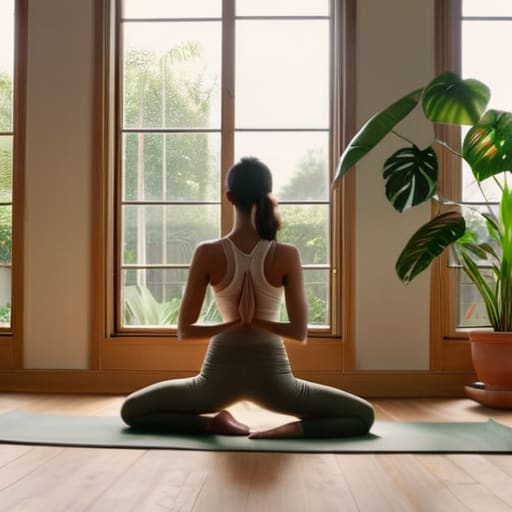
While meditation is a total game-changer, sometimes we need to tackle stress from a more biological angle. We’ve all been there—that jittery, wired feeling where your brain just won’t shut off. That’s often your cortisol levels spiking, and honestly, it can feel like your body is stuck in “fight or flight” mode. One of my favorite cortisol reduction techniques is actually getting moving. I’m not talking about a grueling HIIT session that leaves you wiped; instead, I find that gentle physical activities for mental health, like a brisk walk through the park or some light stretching in my living room, work wonders for leveling out those hormones.
I’ve also found that what we do before bed plays a massive role in how we handle the next day. If you’re constantly scrolling through emails at midnight, you’re basically inviting stress to stay for breakfast. I’ve been focusing a lot on improving sleep hygiene for stress lately, and it has made a world of difference. Creating a little wind-down ritual—maybe some herbal tea or dimming the lights—tells your nervous system it’s finally safe to relax.
Small Shifts for Big Relief: My Go-To Stress Busters
- Create a “Digital Sunset.” I used to scroll through news feeds right until my eyes burned, which only spiked my anxiety. Now, I set a timer an hour before bed to tuck my phone away. Replacing that screen time with a physical book or even just some light stretching helps my brain signal that it’s finally okay to power down.
- Embrace the Power of “Micro-Movements.” You don’t need an intense hour-long gym session to shake off tension. Sometimes, a quick five-minute walk around the block or even just some gentle shoulder rolls at my desk is enough to break that physical feeling of being “stuck” in a stressful loop.
- Declutter One Small Corner. When my brain feels chaotic, my surroundings usually follow suit. I’ve found that I don’t need to clean the whole house—that’s too overwhelming! Just clearing off my coffee table or organizing one single drawer can give me a surprising sense of control and mental clarity.
- Practice the “Brain Dump” Method. If my to-do list is keeping me up at night, I grab a notebook and write down every single thing swirling in my head. Getting those thoughts out of my skull and onto paper makes them feel like manageable tasks rather than giant, looming monsters.
- Reconnect with Something Tactile. Between all the digital work, I crave something real. For me, it’s tending to my urban garden or even just repotting a succulent. Getting my hands in some soil or working on a small DIY project helps ground me in the present moment and pulls me out of my head.
Quick Wins for a Calmer You
Remember that stress relief doesn’t have to be a massive lifestyle overhaul; even five minutes of mindfulness or a quick walk can reset your nervous system.
Pay attention to your body’s signals—learning to catch those physical signs of rising cortisol early is half the battle in staying balanced.
Be kind to yourself on the days when things feel heavy, because true wellness is about progress and small, consistent steps, not perfection.
A Little Reminder for the Overwhelmed
“Stress often feels like a mountain we have to climb all at once, but I’ve learned that finding peace isn’t about reaching the summit—it’s about taking one small, intentional breath at a time and remembering that it’s okay to slow down.”
Emma Thompson
Finding Your Rhythm Again

As we wrap things up, I want you to take a moment to look back at everything we’ve chatted about. From the quiet, gentle moments of mindfulness meditation to the more active ways we can naturally manage our cortisol levels, it’s all about finding what works for your unique lifestyle. Remember, reducing stress isn’t about achieving some perfect, zen-like state where nothing ever goes wrong; it’s about having a small toolkit of practical habits that you can lean on when things get a little chaotic. Whether it’s a five-minute breathing exercise or a quick walk to reset your nervous system, these small, intentional shifts are what truly build long-term resilience.
I know that starting new habits can feel like just one more thing on an already overflowing to-do list, but please be kind to yourself as you navigate this. You don’t have to overhaul your entire life by tomorrow morning. Just pick one thing—maybe it’s just one tiny way to breathe a little deeper today—and start there. You deserve to feel calm, and you deserve to move through this world with a sense of peace. You’ve got this, and I’m right here cheering you on as you reclaim your balance, one step at a time.
Frequently Asked Questions
I've tried meditating before, but my mind just won't stop racing—is there a way to do this without feeling like I'm failing at it?
Oh, I have been there! Honestly, I used to think my brain was “broken” because I couldn’t just sit in silence. But here’s the secret: meditation isn’t about stopping your thoughts; it’s about noticing them without judgment. If your mind races, try “active mindfulness” instead. Focus on a physical sensation, like the warmth of your tea or the weight of your feet on the floor. It’s much more forgiving!
Are there specific foods or drinks I should avoid that might be secretly spiking my stress levels throughout the day?
Oh, I’ve been there! I used to reach for a third cup of coffee thinking it would help me focus, but it actually just left me feeling jittery and anxious. To keep your stress in check, try cutting back on excessive caffeine and those sugary snacks that cause energy crashes. Also, keep an eye on alcohol; while it might feel relaxing at first, it can really mess with your sleep and spike your cortisol the next day.
How can I actually stick to these wellness habits when my work schedule feels completely chaotic?
I totally get it—when your inbox is exploding, “taking time for yourself” feels like just another chore on an impossible to-do list. My secret? Stop trying to find big blocks of time and start looking for the “micro-moments.” If you can’t do twenty minutes of yoga, can you do three deep breaths between meetings? Link a tiny habit to something you already do, like a quick stretch while your coffee brews. Keep it small, keep it realistic.