
Have you ever stood in the middle of a brightly lit grocery aisle, staring at a dozen different “organic” or “eco-friendly” labels, only to realize you’re actually spending more money for less value? I’ve been there, clutching a wilted bunch of overpriced kale and feeling that familiar sting of buyer’s remorse before I’ve even reached the checkout. We are constantly bombarded with complex systems and “hacks” that promise to revolutionize our lives, but most of the time, they just add more clutter to our mental load. I’m tired of the hype telling us that how to shop smarter requires a PhD in economics or a massive budget; honestly, it should be about reclaiming our time and our sanity.
I’m not here to give you a list of complicated spreadsheets or expensive apps you’ll never use. Instead, I want to share the simple, practical strategies I’ve gathered from years of navigating both corporate budgets and my own tiny kitchen pantry. We’re going to focus on intentionality and real-world habits that actually stick. My goal is to help you cut through the noise so you can save money and protect your peace at the same time.
Table of Contents
- Mastering Budgeting for Groceries Without the Stress
- Simple Comparison Shopping Techniques for Your Peace of Mind
- Little Habits That Make a Big Difference at the Checkout
- My Top Takeaways for Smarter, Stress-Free Shopping
- A Little Mindful Shopping Wisdom
- Finding Your Rhythm with Smarter Shopping
- Frequently Asked Questions
Mastering Budgeting for Groceries Without the Stress
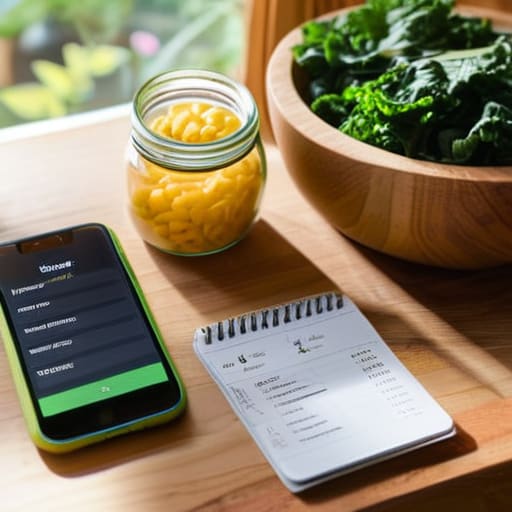
One of the biggest stressors in my weekly routine used to be the grocery store. I’d walk in with a list and somehow walk out forty dollars over budget because of a few “must-have” snacks. Now, I’ve found that budgeting for groceries is much easier when you treat it like a strategy rather than a chore. I always try to shop my pantry first to see what I actually need, which is a total game-changer for avoiding impulse buys that just end up sitting in the back of the fridge.
When I am actually at the store, I’ve become a bit of a nerd about unit price comparison. It sounds technical, but it’s honestly so simple—you just look at the tiny number on the shelf tag to see which size actually gives you more bang for your buck. It’s wild how much you can save just by paying attention to those little details! By focusing on these small shifts, you can keep your grocery bill predictable without feeling like you’re constantly depriving yourself of the things you love.
Simple Comparison Shopping Techniques for Your Peace of Mind

I used to think that comparison shopping meant spending hours scrolling through endless tabs online, which honestly just felt like another chore on my to-do list. But I’ve learned that it’s actually much simpler than that. One of my favorite comparison shopping techniques is the “pause and pivot” method. Before you hit “buy” on that cute new piece of decor or a gadget, take five minutes to check a different retailer or even a local shop. Often, you’ll find that the price difference is significant enough to justify the extra bit of research.
Another trick that has been a total game-changer for my peace of mind is mastering the unit price comparison. It’s so easy to grab the bright, flashy packaging thinking it’s a deal, but if you look closely at the small print on the shelf tag, you might realize the larger size is actually more expensive per ounce! By focusing on the cost per unit rather than just the total price, you’re building smart consumer habits that add up to huge savings over time. It’s all about those little wins that keep your budget intact.
Little Habits That Make a Big Difference at the Checkout
- Try the “Wait and See” rule for non-essentials. Before you hit ‘buy’ on that cute home decor piece or a new gadget, leave it in your cart for 24 hours. Most of the time, that impulsive “I need this!” feeling fades, and you’ll realize you’re actually saving money just by being patient.
- Make a list and—this is the hard part—actually stick to it. I used to wander the aisles aimlessly, which is a recipe for impulse buys. Now, I treat my grocery list like a roadmap. If it’s not on the list, it doesn’t go in the cart. It sounds strict, but it’s so freeing!
- Don’t ignore the “unit price” on the shelf tags. Sometimes the big, flashy “sale” packaging is actually more expensive per ounce than the generic version or the smaller size. Taking a quick peek at that tiny number helps you see the real value, not just the marketing.
- Shop your own pantry first. Before you head out, spend five minutes seeing what you already have tucked away in the back of the cupboard. Building a meal around that half-box of pasta or the can of chickpeas you forgot about is a total win for both your wallet and your food waste.
- Be mindful of “convenience creep.” Pre-cut veggies, individual snack packs, and pre-washed salads are wonderful when life gets chaotic, but they come with a heavy markup. Whenever you can, buy the whole version and spend a few minutes prepping it yourself—your bank account will definitely thank you.
My Top Takeaways for Smarter, Stress-Free Shopping
Remember that intentional shopping isn’t about deprivation; it’s about making sure your money goes toward things that actually add value to your life and your budget.
Small habits, like checking unit prices or prepping a quick grocery list, might seem minor, but they add up to huge wins for your peace of mind (and your bank account) over time.
Don’t feel pressured to follow every trend or sale—staying true to your own needs and budget is the ultimate way to shop with confidence and keep life feeling balanced.
A Little Mindful Shopping Wisdom
“Shopping smarter isn’t about depriving yourself of the things you love; it’s about making intentional choices today so you have more freedom and less stress tomorrow.”
Emma Thompson
Finding Your Rhythm with Smarter Shopping
As we wrap things up, I want you to remember that shopping smarter isn’t about deprivation or spending hours agonizing over every single cent. It’s really about those small, intentional shifts we discussed—like mastering your grocery budget so you aren’t caught off guard at the checkout, and using simple comparison techniques to ensure you’re getting the best value for your hard-earned money. When you combine a solid plan with a little bit of mindful research, you stop reacting to every impulse buy and start taking control of your finances instead. It’s about making your money work for you, rather than you constantly working to keep up with your expenses.
At the end of the day, the goal here isn’t perfection; it’s progress. There will be weeks where you stick to the list perfectly, and other weeks where a spontaneous purchase slips through the cracks—and honestly, that is totally okay. Life is meant to be lived, not just managed through spreadsheets. By implementing these little habits, you’re actually creating more breathing room in your life and reducing that underlying financial noise. I truly believe that once you find your own unique rhythm, you’ll find that true peace of mind comes from knowing you are making choices that align with your values and your future. You’ve got this!
Frequently Asked Questions
How can I avoid those impulse buys when I'm walking through the aisles?
We’ve all been there—you go in for milk and somehow walk out with three bags of gourmet chips and a scented candle you didn’t need. To fight those impulse buys, try making a strict list before you leave and sticking to it like glue. I also find that shopping while I’m hungry is a total trap! If you can, try to stay focused on your list and keep moving through the aisles to avoid those tempting end-cap displays.
Are there any specific apps or tools you recommend to help keep my spending on track?
I totally get it—sometimes we just need a little digital nudge to stay on track! I’ve personally found that apps like YNAB (You Need A Budget) are game-changers if you want to get really intentional with every dollar. If you prefer something a bit more automated, Mint or Rocket Money are great for seeing your spending patterns at a glance. Just pick one that feels easy to use; the goal is clarity, not extra stress!
How do I balance shopping for quality items with the need to stay within a tight budget?
I totally get this struggle—it’s that constant tug-of-war between wanting things that last and needing to keep your bank account happy. My golden rule? Focus on the “cost per use.” I’d much rather save up for one high-quality pair of boots that lasts five winters than buy a cheap pair every six months. Invest in the essentials you use daily, and look for secondhand gems for everything else. It’s all about intentionality!