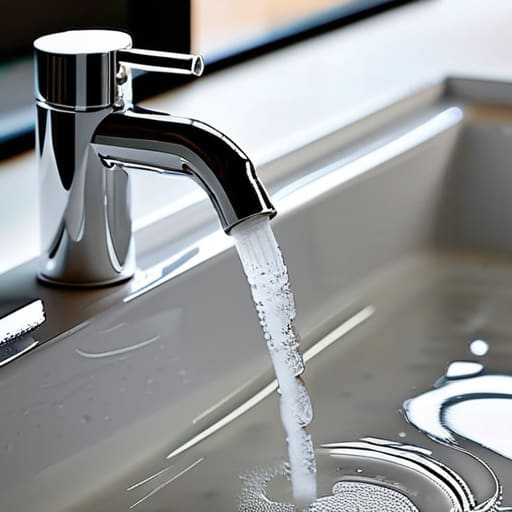
I was standing in my kitchen last Tuesday, staring in absolute horror at a sink full of lukewarm, gray water that just refused to budge, thinking, not today. We’ve all been there—that sinking feeling (pun intended!) when a simple task turns into a household crisis. Most people think you need to call an expensive plumber or drown your pipes in harsh, caustic chemicals the second things slow down, but I’m here to tell you that isn’t true. Learning how to unclog a drain doesn’t have to involve a massive repair bill or a hazmat suit; usually, it just takes a little patience and the right approach.
I want to help you reclaim your peace of mind (and your kitchen sink) without the stress. In this guide, I’m sharing my favorite no-nonsense methods for tackling those stubborn backups using tools you likely already have in your cupboard. From gentle DIY solutions to a few clever mechanical tricks, we’re going to walk through these steps together so you can get your home’s flow back to normal. Let’s dive in and get those pipes flowing smoothly again!
Table of Contents
- Step-by-Step Instructions
- Simple Baking Soda and Vinegar Drain Method Solutions
- Mastering Effective Plunger Techniques for Sinks
- A Few Pro-Tips to Keep Your Drains Happy
- Quick Tips to Keep Your Drains Happy
- ## A Little Perspective on Home Maintenance
- You've Got This: Keeping the Flow Going
- Frequently Asked Questions
Guide Overview
Tools & Supplies
- Plunger (cup-style for sinks or flange-style for toilets)
- Drain snake or auger (manual hand tool for clearing deep clogs)
- Baking soda (1/2 cup)
- White vinegar (1/2 cup)
- Boiling water (1 kettle full)
Step-by-Step Instructions
- 1. Before we dive into the heavy lifting, let’s start with the easiest method: the boiling water flush. If your clog is just a little bit of grease or soap scum buildup, this might do the trick without any extra tools. Just boil a kettle of water and slowly pour it directly down the drain. It’s a quick way to melt away those pesky residues before they turn into a real problem.
- 2. If the hot water doesn’t quite get the job done, grab your trusty plunger. Make sure you have a good seal by ensuring there is enough water in the sink to cover the bell of the plunger. Once you’ve got that seal, give it some vigorous, rhythmic pumps. You’re looking to create enough pressure to physically dislodge whatever is stuck in there.
- 3. Now, if you’re feeling a bit more adventurous, it’s time for a DIY natural cleaner. I always keep some baking soda and white vinegar in my pantry for exactly these moments. Pour about half a cup of baking soda down the drain, followed by half a cup of vinegar. It’s going to fizz and bubble like a science experiment, but that chemical reaction is actually working to break down the gunk. Let it sit for about 15 minutes before rinsing with hot water.
- 4. If the clog is still being stubborn, we might need to go “old school” with a drain snake (or a plastic zip tool if you have one). Gently feed the snake into the drain until you feel it hit something. Once you do, give it a little twist to grab onto the obstruction. This is usually how we tackle those annoying hair clogs that love to hide in bathroom sinks.
- 5. For those of us who aren’t afraid to get our hands a little dirty, it might be time to check the P-trap. That’s the U-shaped pipe underneath your sink. Place a bucket underneath to catch any water, then unscrew the slip nuts by hand or with a wrench. Once the trap is removed, you can thoroughly clean out any debris trapped inside. It’s a bit messy, but I promise it’s incredibly satisfying once it’s clear.
- 6. Once you’ve tackled the clog, don’t forget the most important part: the cleanup and prevention. Rinse everything down with plenty of hot water to ensure the pipes are completely clear. To keep things flowing smoothly in the future, I highly recommend using a mesh drain strainer. It’s a tiny investment that saves you a massive headache down the road!
Simple Baking Soda and Vinegar Drain Method Solutions
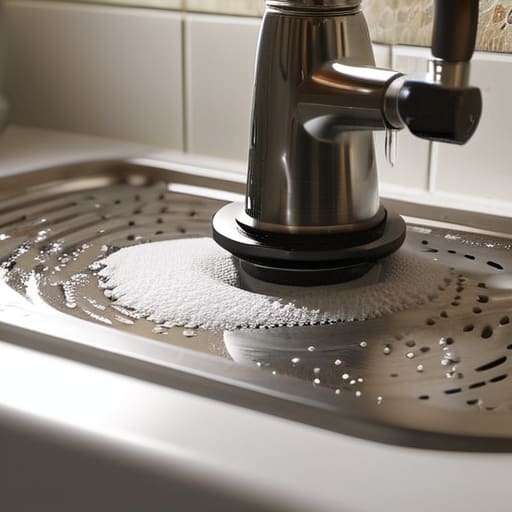
If you’re looking to avoid those harsh, caustic chemicals that can be tough on your pipes (and your lungs!), the baking soda and vinegar drain method is my absolute go-to. It’s one of those classic natural drain cleaner recipes that actually works, thanks to that satisfying fizzy reaction. To do it right, start by pouring about half a cup of baking soda down the drain, followed by half a cup of white vinegar. Plug the drain with a stopper to keep the bubbles working their magic downward rather than fizzing up into your face! Let it sit for about fifteen minutes, then flush it all through with a kettle of boiling water.
I’ve found that this method is perfect for routine maintenance rather than a total emergency. If you notice your water is draining just a little slower than usual, don’t wait for a complete backup. Using this fizzing combo regularly is a fantastic way of preventing hair buildup in drains and keeping kitchen grease from hardening. It’s a small, eco-friendly habit that saves you a massive headache—and a pricey plumber visit—down the road.
Mastering Effective Plunger Techniques for Sinks
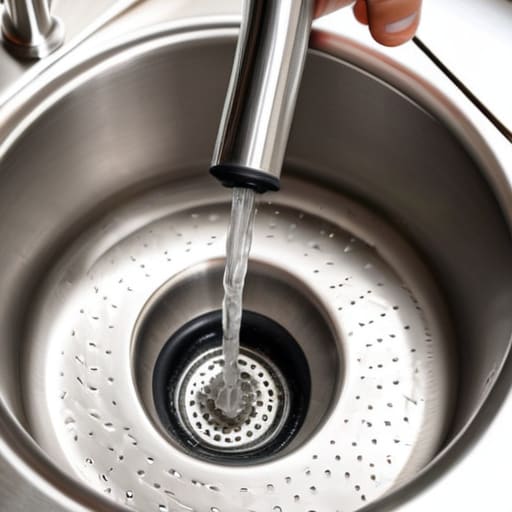
If the baking soda and vinegar trick didn’t quite do the job, it might be time to roll up your sleeves and grab the plunger. I used to dread this part, but I’ve learned that it’s all about the seal. When you’re practicing specific plunger techniques for sinks, the most important thing is to ensure there’s enough water in the basin to cover the rubber cup. If you’re working on a double sink, don’t forget to plug the other side with a wet rag; otherwise, you’ll just be pushing air around instead of creating the necessary pressure to dislodge the clog.
Once you have that tight seal, use firm, rhythmic plunges. It’s not just about the downward force; it’s actually the upward suction that often does the heavy lifting to break up the debris. If you find yourself struggling with a stubborn blockage after several attempts, you might need to get a bit more hands-on by cleaning the kitchen sink P-trap. It’s a little messy, I know, but catching that buildup early is much easier than dealing with a full-blown flood later!
A Few Pro-Tips to Keep Your Drains Happy
- Get into the habit of using a mesh drain strainer; it’s a tiny, inexpensive tool that catches hair and food scraps before they ever have a chance to cause a headache.
- Skip the harsh chemical cleaners whenever you can. They can actually damage your pipes over time, so stick to natural methods or a simple drain snake first.
- Once a month, pour a kettle of boiling water down your kitchen sink to help melt away any lingering grease or soap scum buildup.
- If you’re dealing with a slow drain, try a “zip tool” or a plastic drain snake. They’re super easy to use and are absolute lifesavers for pulling out those stubborn clumps of hair.
- Listen to your pipes! If you notice gurgling sounds or water draining a little slower than usual, don’t wait for a total backup—tackle it early while it’s still a quick fix.
Quick Tips to Keep Your Drains Happy
Start with the gentlest method first—like baking soda and vinegar—to avoid harsh chemicals that can damage your pipes or the environment.
Master your tools; knowing whether to use a plunger or a snake can save you a lot of frustration (and a messy floor!).
Prevention is your best friend, so try to catch small slow-downs before they turn into those dreaded, full-blown clogs.
## A Little Perspective on Home Maintenance
“A clogged drain can feel like such a huge, overwhelming disruption to your day, but remember: it’s just a small hiccup in your home that we can fix together with a little patience and the right simple tools.”
Emma Thompson
You've Got This: Keeping the Flow Going
Dealing with a stubborn clog can feel like a total headache, but I hope these methods have helped you feel a little more in control. Whether you decided to go the natural route with a baking soda and vinegar fizz or rolled up your sleeves to master the art of the plunger, the most important thing is that you tackled the problem head-on. Remember, most of these issues can be solved without calling in an expensive plumber if you just take a moment to use the right tools and a little bit of patience. By staying consistent with these simple, effective techniques, you’ll spend much less time fighting with your pipes and more time enjoying your home.
At the end of the day, home maintenance isn’t about being perfect; it’s just about taking small, manageable steps to keep your space running smoothly. Don’t let a little bit of standing water dampen your spirit or make you feel overwhelmed. We all face these tiny household hiccups, and mastering the basics is exactly how we build a more confident, self-sufficient life. You’ve handled the clog, and now you can get back to what really matters—whether that’s relaxing with a good book or tending to your urban garden. Keep moving forward, one small win at a time!
Frequently Asked Questions
Is it safe to use chemical drain cleaners if the baking soda and vinegar trick doesn't work?
I totally get the urge to reach for those heavy-duty bottles when things aren’t budging, but I’d suggest being really careful there. Chemical cleaners can be super harsh on your pipes—especially if you have older plumbing—and they can even create nasty fumes. If the natural route fails, I’d recommend calling a professional or trying a manual drain snake first. It’s a bit more work, but it’s much safer for your home and your health!
How often should I be cleaning my drains to prevent these clogs from happening in the first place?
Honestly, I like to think of drain maintenance like brushing my teeth—it’s much easier to prevent a problem than to fix one! To keep things flowing smoothly, I recommend a quick preventative flush with hot water once a week. If you’re dealing with a high-traffic kitchen sink, a monthly deep clean with baking soda and vinegar works wonders. Staying ahead of it saves you so much stress (and those messy plungers!) down the road.
At what point should I stop trying DIY methods and finally call in a professional plumber?
I know that feeling—staring at a stubborn clog and wondering if you’re about to make things much worse. Honestly, if you’ve tried a few DIY methods and the water still isn’t budging, or if you notice water backing up into other fixtures, it’s time to hang up the plunger. If you see leaks under the sink or smell something funky, don’t risk a flood. Call a pro; your peace of mind is worth it!