If you’ve spent more than five minutes scrolling through wellness TikTok lately, you’ve probably seen someone claiming you need a $70 boutique supplement powder or a complete lifestyle overhaul just to fix your digestion. Honestly? It’s exhausting. I used to think that mastering gut health basics meant spending a small fortune on “superfoods” that sounded more like chemistry experiments than actual groceries. But after years of feeling bloated and sluggish despite following all the “expert” trends, I realized that the wellness industry loves to make things complicated just to sell you the solution.
I’m not here to sell you a magic pill or a restrictive, soul-crushing diet. Instead, I want to share the actual, sustainable habits that helped me find my balance without breaking the bank. We’re going to strip away the marketing hype and focus on simple, practical steps that you can actually fit into a busy life. Consider this my no-nonsense contract with you: we’re sticking to real-world advice that works, helping you feel your best one small, delicious bite at a time.
Table of Contents
Understanding Microbiome Balance Explained for a Calmer You

Think of your gut as a bustling little ecosystem, much like my tiny urban garden on my balcony. It’s teeming with trillions of tiny organisms, and when they’re all working together in harmony, everything feels smooth. This is what we mean by microbiome balance explained—it’s essentially having the right ratio of “good” bacteria to keep the peace. When this balance is tipped, it’s not just your stomach that feels it; it can actually mess with your mood and energy levels.
This is where the fascinating gut-brain axis connection comes into play. There is a constant, two-way conversation happening between your digestive system and your brain. If your gut is struggling, your mind might feel foggy or anxious, too. It’s a bit of a feedback loop, isn’t it? By focusing on nourishing those good microbes, you aren’t just helping your digestion; you’re actually supporting your mental clarity and emotional stability. It’s all connected, and finding that equilibrium is a huge step toward feeling like your best, most centered self.
Recognizing the Quiet Signs of Poor Gut Health

Sometimes, our bodies try to tell us something is off long before we actually feel “sick.” It’s rarely a dramatic flare-up; instead, it’s more of a subtle, nagging discomfort that we often dismiss as just a busy week or too much coffee. You might notice you’re feeling unusually bloated after meals, or perhaps your energy levels take a sudden nosedive in the mid-afternoon. These are some of the most common signs of poor gut health that we tend to ignore.
Beyond the physical discomfort, pay attention to your mood and mental clarity. Because of the incredible gut-brain axis connection, an imbalance in your digestive system can actually manifest as brain fog or even increased anxiety. If you feel like you’re constantly riding an emotional rollercoaster without a clear reason, your gut might be trying to get your attention. Recognizing these quiet signals is the first step toward reclaiming your sense of calm and getting your wellness back on track.
5 Simple Ways to Show Your Gut Some Love
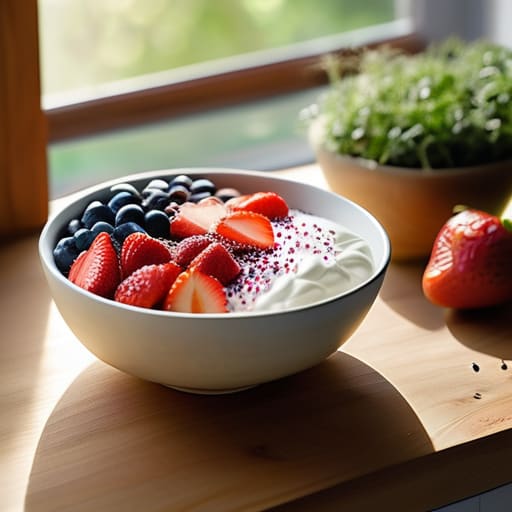
- Focus on fiber-rich foods. I used to think fiber was just something for digestion, but it’s actually fuel for your good bacteria. Try adding more lentils, chia seeds, or even just an extra serving of berries to your breakfast to keep things moving smoothly.
- Embrace the power of fermented foods. You don’t need fancy supplements; sometimes the best medicine is found in your fridge! I love adding a scoop of Greek yogurt to my smoothies or having a little side of kimchi with dinner to introduce those helpful probiotics naturally.
- Hydrate, hydrate, hydrate. It sounds like such “wellness influencer” advice, I know, but water is essential for helping your digestive system work efficiently. Think of it as keeping the gears greased so everything stays balanced.
- Watch out for the “sugar rollercoaster.” While I definitely have a sweet tooth (my quirky sock collection is proof I can’t resist a little fun!), too much processed sugar can feed the “bad” bacteria and throw your microbiome out of whack. Try swapping a sugary snack for some dark chocolate or fruit when you can.
- Slow down and actually chew. This was a huge lesson for me during my corporate days when I’d scarf down lunch at my desk. Digestion actually starts in your mouth! Taking a few extra minutes to eat mindfully and chew thoroughly takes a massive load off your digestive tract.
Quick Wins for a Happier Gut
Listen to your body’s subtle cues; things like sudden fatigue or skin breakouts are often just your gut’s way of asking for a little extra TLC.
Focus on variety rather than perfection by adding more colorful, fiber-rich plants to your plate to keep your microbiome diverse and happy.
Remember that consistency beats intensity—small, daily habits like staying hydrated and eating fermented foods are much more effective than a sudden, drastic diet overhaul.
A Little Kindness for Your Core
“Think of your gut health not as a complex science project to master, but as a quiet conversation with your body; when we feed it the right fuel, it finally has the space to tell us we’re doing okay.”
Emma Thompson
Finding Your Rhythm
At the end of the day, nurturing your gut health isn’t about overnight transformations or following a strict, complicated regimen that leaves you feeling stressed. It’s really about listening to those subtle signals your body is sending and making intentional, small adjustments—like adding a bit more fiber to your breakfast or being a little more mindful of how processed foods make you feel. We’ve talked about how the microbiome acts as your internal command center and how recognizing those quiet signs of imbalance is the first step toward feeling like yourself again. Remember, the goal isn’t perfection; it’s about building a foundation of consistency that supports your overall well-being.
I know that starting something new can feel a little daunting, especially when there is so much conflicting advice out there. But please, be kind to yourself as you navigate this journey. Think of it like my urban garden; you can’t force the plants to grow overnight, you just have to provide the right environment and show up every day. You deserve to feel energized, balanced, and truly vibrant. Let’s take it one meal and one small habit at a time, because every little step counts toward a much happier, healthier you. I’m right here rooting for you!
Frequently Asked Questions
Should I be looking into specific probiotic supplements, or can I get everything I need just from the food I eat?
That is such a great question, and honestly, one I struggled with myself! For most of us, focusing on whole foods is the best place to start. I love loading up on things like yogurt, kimchi, or sauerkraut—they’re nature’s little powerhouses. Supplements can be a helpful boost if you’re feeling stuck, but they shouldn’t replace a colorful plate. Let’s try prioritizing real food first and see how your body responds!
How long does it actually take to notice a difference in how I feel after changing my diet?
This is such a great question, and I’ll be honest: I wish I could say you’d feel like a brand-new person overnight! While some people notice a quick boost in energy within a few days, for most of us, it takes about two to four weeks of consistent changes to really feel that shift in digestion and mood. Think of it like tending to my urban garden—you don’t see the sprouts immediately, but consistency pays off!
Are there certain "healthy" foods that might actually be making my bloating or discomfort worse?
It’s a total head-scratcher, right? You think you’re doing everything right by grabbing a kale salad or a protein bar, but then comes the bloat. Honestly, some “superfoods” can be tricky. For instance, if you’re suddenly loading up on cruciferous veggies like broccoli or beans, the extra fiber can actually cause some serious gas if your body isn’t used to it. Even some sugar substitutes in “healthy” snacks can be major culprits for discomfort!