
Have you ever spent forty-five minutes scrolling through a “must-have” list of expensive silk eye masks and lavender-scented weighted blankets, only to end up staring at your ceiling at 2:00 AM anyway? It’s incredibly frustrating how the wellness industry tries to turn rest into a luxury shopping spree. We’ve been told that mastering sleep hygiene tips requires a complete lifestyle overhaul and a massive budget, but honestly, that’s just exhausting. I used to think I needed a high-tech sleep sanctuary to function, but I eventually realized that most of that advice is just noise designed to separate you from your paycheck.
I’m not here to sell you a lifestyle you can’t afford or a complicated routine that feels like another chore on your to-do list. Instead, I want to share the practical, low-cost shifts that actually moved the needle for me when I was struggling to find balance. We’re going to skip the fluff and focus on simple, realistic ways to reclaim your rest. My goal is to give you a toolkit of no-nonsense strategies that fit into your real life, helping you wake up feeling actually refreshed rather than just surviving on caffeine.
Table of Contents
Optimizing Your Sleep Environment for Gentle Rest

Think of your bedroom as a sanctuary, not just a place where you crash after a long day. One of the biggest wins for improving sleep quality naturally is focusing on your physical surroundings. I used to keep my laptop on my nightstand, but I quickly realized that a cluttered, bright space makes it impossible to truly unwind. To get things right, try to keep your room as cool, dark, and quiet as possible. If you can’t control the street noise or the light peeking through the curtains, a simple eye mask or a white noise machine can be a total game-changer for your nightly routine.
It’s also about what you don’t see. We’ve all heard about blue light exposure reduction, but it’s more than just a buzzword; it’s about signaling to your brain that the day is officially over. When we dim the lights and swap our screens for a paper book, we’re helping our bodies stay in sync with our natural internal clocks. By optimizing your sleep environment this way, you’re setting the stage for deep, restorative rest without needing any fancy gadgets.
Blue Light Exposure Reduction for Quieter Minds

Now, let’s talk about the sneaky culprit that keeps most of us scrolling long after we should be dreaming: our screens. We’ve all been there, curled up on the couch, only to realize an hour has passed while we were deep in a social media rabbit hole. The problem is that the blue light emitted from our phones and laptops tricks our brains into thinking it’s still daytime. This disrupts our circadian rhythm regulation, making it much harder for our bodies to realize it’s actually time to wind down.
I used to be a total screen addict before bed, but I’ve learned that practicing some intentional blue light exposure reduction makes a world of difference. You don’t have to go completely tech-free if that feels too daunting, but try setting a “digital sunset.” This could mean switching your devices to “Night Mode” or, even better, swapping the scrolling for a physical book. By dimming the light and stepping away from the glow, you’re giving your brain the signal it needs to start improving sleep quality naturally and preparing for a deep, restorative rest.
Five Little Habits to Help You Drift Off Easier
- Try to stick to a consistent sleep schedule, even on those lazy Saturdays. I know, it sounds a bit strict, but giving your body a predictable rhythm makes falling asleep so much more natural.
- Watch your caffeine intake in the afternoon. I used to love my 3 PM latte, but I realized it was staying in my system way longer than I thought, making my brain buzz right when I should be winding down.
- Create a little “wind-down” ritual that signals to your brain it’s time to rest. Whether it’s reading a few pages of a physical book, sipping some herbal tea, or even just doing some light stretching, find something that feels like a warm hug for your mind.
- Be mindful of heavy meals right before bed. While there’s nothing better than a cozy snack, eating a huge, heavy dinner late at night can leave your digestion working overtime when you’re trying to settle in.
- Use your bed only for sleep (and maybe a little reading!). If you find yourself working from your laptop or answering emails under the covers, your brain starts to associate the bed with “stress mode” instead of “rest mode.”
Quick Wins for a Better Night's Rest
Focus on your surroundings by keeping your bedroom cool, dark, and clutter-free to create a little sanctuary for sleep.
Give your brain a chance to wind down by swapping late-night scrolling for a screen-free ritual, like reading a physical book.
Consistency is your best friend; try to stick to a regular sleep schedule, even on weekends, to help your body find its natural rhythm.
A Little Kindness for Your Nighttime Self
“Think of your sleep routine not as another chore on your to-do list, but as a gentle way of telling yourself that you deserve to rest and recharge.”
Emma Thompson
Finding Your Rhythm
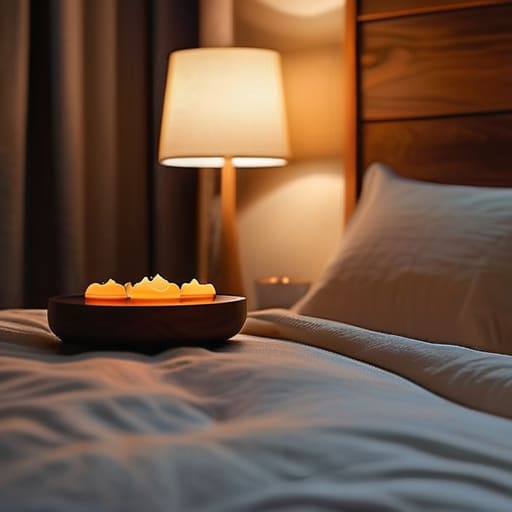
I know that trying to overhaul your entire nighttime routine can feel like just another daunting task on an already overflowing to-do list, but remember that you don’t have to do everything at once. Whether it’s finally investing in some blackout curtains to optimize your space or simply committing to a digital sunset by putting the phone away, every small tweak counts. We’ve talked about everything from creating a sanctuary in your bedroom to managing that pesky blue light, and the goal isn’t perfection—it’s about building small, sustainable habits that actually work for your unique lifestyle.
At the end of the day, sleep isn’t a luxury; it’s the very foundation that allows you to show up as your best self in your career, your relationships, and your personal passions. Please be kind to yourself as you navigate these changes. Some nights will be better than others, and that is perfectly okay. Just keep showing up for yourself, one restful night at a time, and I promise you’ll start to feel that renewed sense of energy you’ve been searching for. You’ve totally got this, and I’m right here cheering you on!
Frequently Asked Questions
I've tried cutting out screens, but what can I do if my mind is still racing the second my head hits the pillow?
I totally get it—sometimes you can do everything “right” with the lights and the screens, but your brain just refuses to shut up. When my mind starts racing, I swear by a “brain dump.” Keep a notebook by your bed and scribble down every nagging thought or tomorrow’s to-do list. Once it’s on paper, your brain feels like it has permission to let go. It’s a total game-changer for quieting the noise.
Does it actually matter if I stick to a strict sleep schedule on the weekends, or can I sleep in to catch up?
I get this question all the time, and honestly, I used to be the queen of the “weekend catch-up” sleep session. But here’s the truth: while sleeping in feels amazing in the moment, it actually throws your internal clock into a tailspin. It’s like giving yourself jet lag every Monday morning! Try to keep your wake-up time relatively consistent, even on Saturdays. A little wiggle room is fine, but consistency is your best friend for steady energy.
Are there any specific types of tea or evening snacks that actually help you drift off without making you feel groggy the next morning?
I love this question! I used to reach for heavy snacks, but I’d always wake up feeling sluggish. Now, I swear by a warm cup of chamomile or peppermint tea—it’s like a little hug for my nervous system. For snacks, keep it light: a small bowl of Greek yogurt or a handful of walnuts is perfect. They have just enough magnesium and protein to settle your stomach without causing that dreaded morning fog.