
I still remember standing in the middle of the grocery aisle last Tuesday, staring blankly at a carton of organic blueberries that cost more than my morning latte, wondering where my paycheck had actually gone. It’s that sinking feeling in your stomach when you realize you’re paying a premium for items that barely last the week, all while your bank account slowly drains. We’ve been told that learning how to make a grocery budget requires complex spreadsheets or a complete lifestyle overhaul, but honestly? That’s just a recipe for burnout. Most of the “expert” advice out there feels way too rigid, making you feel like a failure if you dare to buy that specific brand of coffee you actually love.
I’m not here to tell you to live on lentils and tap water. Instead, I want to share the practical, realistic steps I’ve used to reclaim control over my spending without losing my mind (or my love for good food). We are going to break this down into bite-sized pieces that actually fit into a busy, modern life. My goal is to show you how to build a system that offers true financial calm, helping you eat well while finally making your money work for you.
Table of Contents
The Gentle Art of Monthly Food Expense Tracking

Before we dive into the actual numbers, we need to talk about awareness. I used to think I had a handle on my spending, only to realize my “small” trips to the store were actually adding up to a massive dent in my savings. This is where monthly food expense tracking becomes your best friend. Instead of feeling guilty about every receipt, I like to view it as a gentle way of listening to my habits. Whether you use a simple notebook, a dedicated app, or even just a note on your phone, the goal is to see exactly where your hard-earned money is going.
Once you start seeing the patterns, things get much easier. You might notice that you’re spending a surprising amount on pre-cut veggies or those “just in case” snacks that never actually make it into a meal. By spotting these leaks, you can start practicing reducing food waste and making more intentional choices. It’s not about restriction; it’s about gaining the clarity you need to spend your money on the things that actually nourish you and bring you joy.
Meal Planning for Savings a Simpler Way to Eat
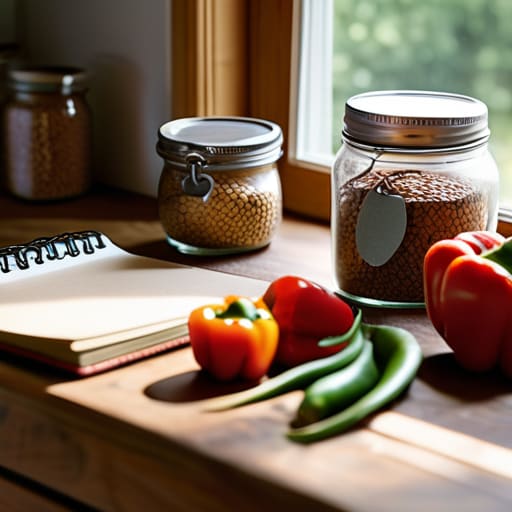
Once you’ve got a handle on where your money is actually going, the next step is to get intentional about how you spend it. I used to think meal planning was this daunting, all-day kitchen marathon, but I’ve learned that meal planning for savings is really just about making small, thoughtful decisions before you even step foot in the store. Instead of staring blankly at the shelves or grabbing whatever looks good in the moment, try looking at what you already have in your pantry first. Building your meals around those half-empty boxes of pasta or that lonely can of chickpeas is a total game-changer for reducing food waste and keeping your costs down.
I also found that a little bit of budget-friendly meal prep goes a long way in preventing those expensive “I’m too tired to cook” takeout orders. You don’t need to prep twenty different Tupperware containers on a Sunday; even just chopping some veggies or cooking a big batch of grains can save you so much stress during the week. When you have a rough roadmap of your meals, your shopping becomes much more focused and way less impulsive.
5 Small Shifts to Keep Your Budget on Track
- Shop your own pantry first. Before you even grab your keys, take a quick peek at what’s hiding in the back of your cupboard. I love doing this on Sunday afternoons; it turns “what’s for dinner?” from a stressful question into a fun little scavenger hunt, and it stops you from buying a third jar of cumin you don’t actually need.
- Master the art of the “Store Brand Swap.” I’ll be the first to admit I used to be a total brand loyalist, but I’ve realized that most generic staples—like oats, canned beans, or olive oil—are virtually identical to the name brands. Making these small switches is like finding free money hidden in your shopping cart.
- Never, ever shop while you’re hungry. It sounds like a cliché, but it is so real! When I go to the store on an empty stomach, my basket ends up filled with impulse buys and snacks that weren’t on my list. Try having a small snack before you head out to keep your focus on the essentials.
- Embrace the “Frozen and Canned” magic. Fresh produce is lovely, but it can be pricey and often goes bad before we can use it. Keeping a stash of frozen veggies or canned goods in your pantry is a lifesaver for those busy weeknights when you realize you forgot to prep, and it’s much kinder to your wallet.
- Use a digital list to stay disciplined. Whether it’s a simple notes app on your phone or a dedicated grocery app, having your list right at your fingertips prevents those “oh, I almost forgot” extra trips to the store. Those extra trips are usually where the budget starts to leak!
Small Steps Toward Big Savings
Start by simply observing your current habits; tracking where your money goes is the most important step in taking control without feeling overwhelmed.
Use meal planning as a tool for peace of mind rather than a strict rulebook, letting it guide your shopping list so you avoid impulse buys.
Remember that budgeting is a practice, not a perfection test—be kind to yourself as you adjust your plan to fit your real, messy, beautiful life.
A Little Perspective on the Process
“Budgeting for groceries isn’t about restriction or saying ‘no’ to the things you love; it’s about creating a little more breathing room in your life so you can nourish yourself without the constant weight of financial stress.”
Emma Thompson
Taking the Next Step Toward Financial Calm
I know that looking at a pile of receipts or staring at a blank meal plan can feel a little daunting at first, but remember that we’ve already laid the groundwork. By tracking your spending with intention and using meal planning as a tool rather than a chore, you are shifting from being reactive to being truly in control of your kitchen. It’s not about deprivation or never buying that extra bag of coffee again; it’s about creating a sustainable rhythm that honors both your bank account and your well-being. Once you master these small, consistent habits, you’ll find that budgeting becomes second nature rather than a source of monthly stress.
As you move forward, please be kind to yourself. There will be weeks when a sudden craving for takeout throws a wrench in your plan, or a spontaneous dinner party blows your budget—and that is perfectly okay! The goal isn’t perfection; it’s progress. Think of this as a journey toward a more intentional and balanced life, where your money serves your values instead of the other way around. You’ve totally got this, and I am so excited to see you reclaim your peace of mind, one grocery trip at a time. Let’s keep growing together!
Frequently Asked Questions
What should I do if I consistently go over my budget halfway through the month?
Oh, I have been there more times than I’d like to admit! If you’re hitting a wall halfway through the month, please don’t beat yourself up. First, take a deep breath—this is just data, not a failure. Try a “pantry challenge” for the remaining days: see what treasures you can find in your cupboards before buying anything new. Moving forward, we might need to adjust your numbers or try smaller, more frequent weekly budgets instead.
Is it better to shop at discount grocery stores or stick to my usual supermarket to save more?
Honestly, it’s a bit of a balancing act! If you’re looking for the absolute lowest prices, discount stores like Aldi or Lidl are total game-changers for staples like grains and produce. However, I’ve found that sticking to my usual supermarket works better when I need specific brands or specialty items to avoid “panic buying” extra stuff just because the first store was empty. Try a hybrid approach: grab your basics at the discount shop and hit the supermarket only for those specific must-haves!
How do I account for those unexpected "must-have" items or treats without feeling like I've failed my plan?
Oh, I have been there! That “budget guilt” is so real, but here’s a secret: a budget that’s too rigid will always break. I like to build a little “wiggle room” category into my plan—call it a “Joy Fund” or “Miscellaneous Essentials.” By setting aside a small, specific amount for those spontaneous treats or sudden pantry needs, you aren’t failing your plan; you’re actually following it. Flexibility is the key to staying consistent!