I remember sitting at my kitchen table last Tuesday, staring down a massive bowl of leftover pasta and feeling that familiar, heavy afternoon slump. I had reached for a sugary latte just an hour earlier, thinking it would give me the boost I needed to finish my freelance projects, but instead, I just felt completely wired and then totally crashed. It’s that exhausting cycle we all know too well, where we try to do the right thing but end up stuck in a loop of cravings. If you’ve ever felt like you’re fighting a losing battle against your own sweet tooth, please know you aren’t alone, and you definitely don’t need a radical, expensive lifestyle overhaul to fix it. Figuring out how to reduce sugar shouldn’t feel like a punishment or a full-time job.
I’m not here to give you a list of impossible dietary rules or tell you to throw away everything in your pantry. Instead, I want to share the small, sustainable swaps that actually worked for me when I was navigating my own chaotic schedule. We’re going to focus on practical, real-world shifts that fit into a busy life without making you feel deprived. Let’s skip the hype and focus on gentle progress that actually sticks.
Table of Contents
- Unmasking the Hidden Sugars in Processed Foods
- Mastering the Art of Reading Nutrition Labels for Sugar
- Small Swaps, Big Wins: My Favorite Ways to Ease Into Less Sugar
- Quick Wins for a Sweeter (But Healthier) Life
- A Little Grace Goes a Long Way
- Small Wins for a Sweeter Life
- Frequently Asked Questions
Unmasking the Hidden Sugars in Processed Foods
If you’ve ever felt like you’re eating “healthy” but still hitting that dreaded 3 p.m. energy crash, you aren’t alone. I used to think I was doing everything right, only to realize that many of my go-to snacks were actually loaded with sneaky sweeteners. The truth is, manufacturers are masters at camouflage. They use everything from maltodextrin to high fructose corn syrup to make things taste better, often without us even realizing it. This is why reading nutrition labels for sugar is such a game-changer; you have to look past the marketing claims on the front of the box and dive into the actual ingredient list.
It can feel a bit like detective work sometimes, but once you know what to look for, it gets so much easier. I’ve found that once I started spotting these additives in things like salad dressings and yogurt, I felt way more in control. Instead of constantly managing blood sugar spikes that leave me feeling shaky and hungry, I started choosing whole foods that kept me steady. It’s not about being perfect or restrictive; it’s just about being a little more mindful of what’s actually hiding in our pantry.
Mastering the Art of Reading Nutrition Labels for Sugar
Now, I know what you’re thinking—staring at those tiny, cramped nutrition facts can feel like trying to decode a foreign language while your eyes glaze over. But honestly, once you get the hang of reading nutrition labels for sugar, it becomes a total superpower. Instead of just looking at the “Total Sugars” line, I’ve learned to hunt for the “Added Sugars” section. This is where the real story lives. That little number tells you exactly how much sugar was pumped into the product during processing, rather than what occurs naturally in something like a piece of fruit.
When I’m grocery shopping, I try to keep an eye out for those sneaky aliases. If you see ingredients like high fructose corn syrup, maltose, or dextrose, that’s a red flag. My trick is to look for products that lean toward low glycemic index foods, which tend to digest more slowly and keep you feeling steady. It’s not about being perfect or never touching a cookie again; it’s just about becoming a more mindful consumer so you aren’t accidentally fueling your body with a sugar bomb before lunch.
Small Swaps, Big Wins: My Favorite Ways to Ease Into Less Sugar
- Start with your morning brew. If you’re a coffee or tea lover like me, try cutting your usual sugar or sweetener by half this week. It might feel a little strange at first, but your taste buds actually adjust surprisingly fast!
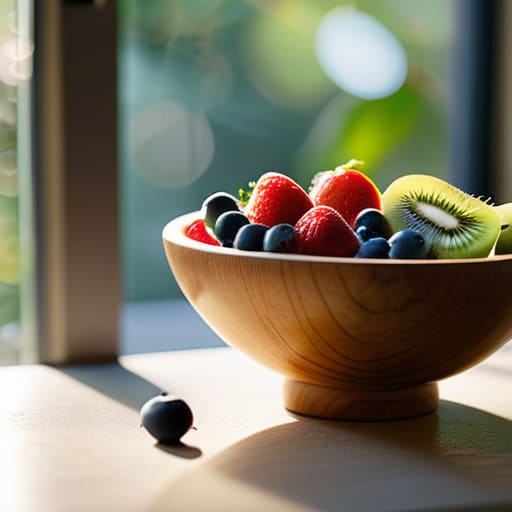
- Keep a bowl of fresh, seasonal fruit on your counter. When that mid-afternoon sugar craving hits, reach for a handful of berries or a sliced apple instead of a candy bar. The fiber in the fruit helps keep you satisfied without the dreaded crash.
- Rethink your drinks. I used to reach for sodas or sweetened juices constantly, but now I love experimenting with sparkling water infused with a squeeze of lime or a few mint leaves. It gives you that refreshing fizz without the hidden sugar spike.
- Focus on protein-packed breakfasts. Instead of reaching for a sugary cereal or a pastry, try something like Greek yogurt with a sprinkle of nuts or some scrambled eggs. Starting your day with protein helps stabilize your blood sugar and keeps those cravings at bay later on.
- Don’t forget about the “hidden” sauces. I learned the hard way that things like ketchup, BBQ sauce, and even some salad dressings are sugar bombs. Try making a quick vinaigrette with olive oil and lemon juice at home—it’s much healthier and honestly tastes way better!
Quick Wins for a Sweeter (But Healthier) Life
Keep an eye out for those sneaky “alias” names for sugar on ingredient lists, like maltodextrin or high fructose corn syrup, so you aren’t caught off guard.
Focus on making small, sustainable swaps—like choosing plain yogurt and adding your own fresh berries—rather than trying to overhaul your entire pantry overnight.
Prioritize whole, single-ingredient foods whenever you can, as they naturally keep you feeling fuller and more balanced without the dreaded sugar crashes.
A Little Grace Goes a Long Way
“Reducing sugar isn’t about deprivation or perfection; it’s about making small, gentle shifts that honor your body and help you feel more like yourself again.”
Emma Thompson
Small Wins for a Sweeter Life
Taking control of your sugar intake isn’t about deprivation or suddenly living on kale smoothies; it’s about becoming a more mindful consumer. We’ve looked at how sneaky those hidden sugars can be in our favorite processed snacks and how much power you actually hold when you take a second to really read those nutrition labels. By identifying the culprits and choosing whole, single-ingredient foods more often, you’re already doing the heavy lifting. Remember, the goal isn’t perfection, but rather making more intentional choices that leave you feeling energized instead of crashing halfway through your afternoon.
I know that making lifestyle changes can feel like a mountain to climb, especially when life gets hectic, but please be kind to yourself along the way. If you have a day where you indulge a bit more than planned, don’t let it derail your entire progress—just start fresh with your next meal. Every small swap you make, from picking sparkling water over soda to adding more berries to your oats, is a massive victory for your long-term wellness. You’ve got this, and I’m right here cheering you on as you build a healthier, more balanced version of yourself.
Frequently Asked Questions
What are some easy, low-sugar snack swaps I can keep at my desk to avoid the afternoon energy crash?
We’ve all been there—it’s 3:00 PM, your energy is tanking, and that vending machine granola bar is calling your name. Instead of reaching for a sugar spike, try keeping a stash of roasted chickpeas or almonds in your desk drawer for that satisfying crunch. If you’re craving something sweet, some Greek yogurt with a handful of berries or even a few squares of dark chocolate can hit the spot without the dreaded crash!
I’ve heard about natural sweeteners like honey and maple syrup—are they actually better for me, or are they just as bad?
It’s such a common question, and honestly, I used to fall for this one all the time! While honey and maple syrup feel more “natural” because they come from the earth, your body still processes them as sugar. They do offer a few extra vitamins and minerals, which is a plus, but they’re still calorie-dense. Think of them as slightly better alternatives for flavor, but they shouldn’t be used as an excuse to go overboard!
How long does it typically take for my taste buds to adjust and for those sugar cravings to finally start fading?
I know exactly how much you’re craving that sweet fix right now, but hang in there! For most people, it takes about two to three weeks for your taste buds to actually recalibrate. During that time, things might feel a little tough, but once you hit that sweet spot, natural foods like berries will start tasting incredibly vibrant. It’s like your palate is getting a fresh start—just stay patient with yourself!