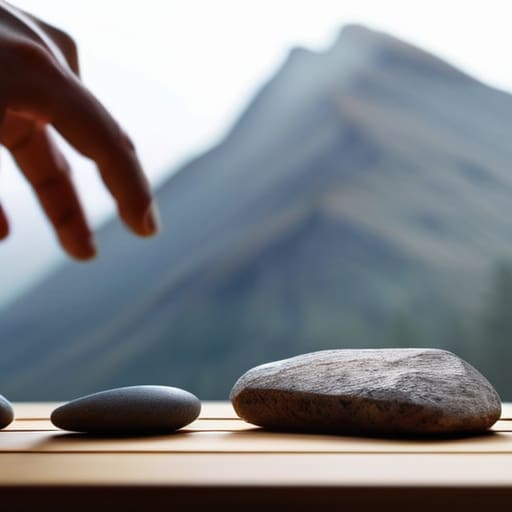
I remember sitting on my kitchen floor a few years ago, surrounded by half-finished planners and “productivity” journals, feeling absolutely defeated. I had all these massive, shiny milestones mapped out—the dream career, the perfect savings account, the ultimate wellness routine—but I was just spinning my wheels. I was so obsessed with the finish line that I completely ignored the messy reality of my daily life. It turns out, I was falling into the classic trap of focusing on outcomes while totally neglecting the actual systems vs goals debate. I was chasing the “what” without ever building the “how,” and it left me feeling completely burnt out before I even got started.
I’m not here to sell you on some expensive, high-octane hustle culture magic. Instead, I want to share what I’ve learned from years of trial, error, and a lot of messy restarts. We are going to strip away the fluff and look at how to build gentle, sustainable habits that actually work for real people with real lives. My promise to you is simple: no hype, no complicated jargon, just practical ways to shift your focus so you can finally start enjoying the journey toward the life you want.
Table of Contents
Embracing James Clears Atomic Habits Philosophy
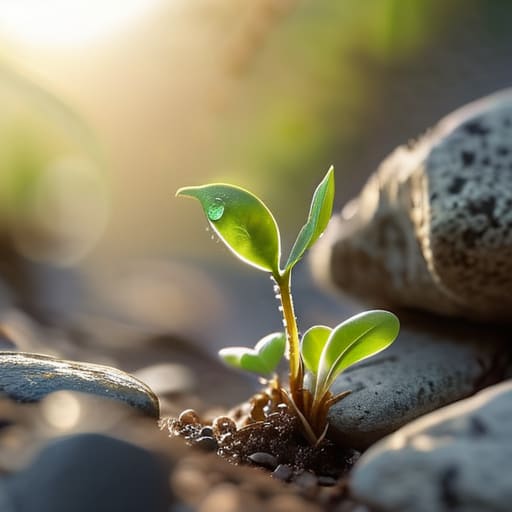
If you’ve spent any time in the personal development world, you’ve probably bumped into the James Clear atomic habits philosophy. His approach really resonated with me because it shifts the focus away from that heavy, sometimes paralyzing pressure of reaching a massive finish line. Instead of obsessing over the end result, Clear encourages us to look at the tiny, incremental shifts we make every single day. It’s about realizing that big transformations aren’t usually the result of one giant leap, but rather the byproduct of small, consistent wins.
When I started applying this to my own life—especially when I was trying to balance my freelance writing with my urban gardening projects—I noticed a huge shift in my mindset. It’s essentially a move toward a process vs outcome orientation. Instead of just staring at a daunting goal like “write a book,” I started focusing on the system of “writing for twenty minutes every morning with my coffee.” This way, I wasn’t constantly judging myself based on how far I was from the goal; I was simply celebrating the fact that I showed up for my routine. It makes the whole journey feel so much more achievable and kind to yourself.
Shifting Toward a Gentler Process vs Outcome Orientation

When we get caught up in the “all or nothing” mindset, we tend to obsess over the finish line, which can feel incredibly draining. This is the core difference in process vs outcome orientation. If your only focus is the end result—like losing twenty pounds or hitting a specific savings number—you’re essentially putting your happiness on hold until you reach that distant milestone. It creates this constant, nagging sense of “not being there yet,” which is the fastest way to burn out.
Instead, I’ve found so much peace in focusing on the small, repeatable actions that happen during the journey. This shift is really about long-term behavioral change rather than a one-time sprint. Think of it like my urban garden; I can’t force the tomatoes to grow overnight, but I can control how often I water them and ensure they get enough sunlight. When we prioritize the daily rhythm over the final prize, productivity starts to feel less like a chore and more like a natural part of our day. It’s about making progress that actually feels sustainable.
Five Small Ways to Start Building Your Systems Today
- Start with the “Two-Minute Rule.” If a part of your new system feels too heavy, shrink it down until it takes less than two minutes. Want to start a reading habit? Don’t aim for a chapter; just aim to read one page before bed. It’s all about making it too easy to fail.
- Audit your environment to make your good habits easy and your bad ones hard. If I want to remember to take my vitamins, I put them right next to my coffee maker. If I want to stop scrolling on my phone at night, I charge it in the kitchen instead of on my nightstand.
- Focus on “Identity Shifts” rather than just checking boxes. Instead of saying, “I’m trying to write more,” try telling yourself, “I am a writer.” When you view your systems as part of who you are, they stop feeling like chores and start feeling like a natural part of your day.
- Use habit stacking to anchor new routines to old ones. I love this for my morning flow! I’ll tell myself, “After I pour my first cup of coffee, I will write down my top three priorities for the day.” You’re basically piggybacking on a habit you already have in place.
- Give yourself permission to have “off” days. A system isn’t a prison sentence; it’s a guide. If life gets messy—and let’s be real, it always does—don’t scrap the whole plan. Just aim to get back on track at the very next opportunity. Consistency beats perfection every single time.
My Top 3 Lessons for Living by Systems, Not Just Goals
Focus on the “how” rather than the “what.” While a goal tells you where you want to go, a system is the actual path that gets you there—and it’s much more fun to walk when you aren’t constantly staring at the finish line.
Celebrate the tiny wins. Instead of waiting until you hit a massive milestone to feel successful, learn to find joy in the small, daily actions that prove you’re showing up for yourself.
Build for consistency, not intensity. It’s much better to have a small, manageable routine that you can actually stick to on a busy Tuesday than a high-pressure plan that falls apart the moment life gets a little messy.
## A Little Perspective for the Journey
“Goals are like the destination on a map, but systems are the actual walking shoes that get you there. If we only focus on the finish line, we miss the beauty of the stroll—and honestly, it’s the daily rhythm, not the trophy, that actually changes our lives.”
Emma Thompson
Finding Your Rhythm

At the end of the day, moving away from that intense, goal-obsessed mindset isn’t about being lazy; it’s about being sustainable. We’ve talked about how goals can sometimes feel like a finish line that keeps moving further away, leaving us feeling defeated. By shifting our focus toward building small, repeatable systems—inspired by those atomic habits we discussed—we take the pressure off the outcome and put the power back into our daily routines. Remember, a goal is just a destination, but your systems are the actual vehicle that gets you there without burning you out along the way.
I know how tempting it is to keep staring at that big, intimidating mountain of a goal, but I promise you, the view is much better when you aren’t gasping for air. Let’s try to be a little kinder to ourselves as we navigate these changes. Instead of asking “Did I reach my milestone today?”, try asking, “Did I show up for my process?” When you fall in love with the small, messy, everyday steps, the big wins eventually start to take care of themselves. You’ve got this, and I’m right here cheering you on as you build a life that feels as good on the inside as it looks on paper.
Frequently Asked Questions
If I stop focusing so much on my big end goals, how will I know if I'm actually making progress?
That is such a valid fear! It feels like if we aren’t staring at the finish line, we’re just wandering aimlessly, right? But here’s the secret: instead of looking at the mountain peak, start looking at your compass. Are you showing up? Are your daily systems running smoother than last week? If you’re hitting your small, intentional marks—even the tiny ones—you’re moving. Progress isn’t just the destination; it’s the quiet momentum of your habits.
How do I figure out what a "good" system actually looks like for my specific lifestyle?
To find your sweet spot, start by auditing your actual energy, not just your clock. A “good” system should feel like a supportive friend, not a drill sergeant. I like to ask myself: “Does this task feel heavy or light right now?” If your morning routine requires a mountain of willpower, it’s not a good system for you yet. Aim for the path of least resistance—the one that fits into your messy, beautiful reality.
Is it possible to have both, or will focusing on systems just make me lose my drive to reach big milestones?
That is such a great question, and honestly, it’s something I struggled with for a long time! I used to think that if I stopped obsessing over the finish line, I’d just lose my momentum. But I’ve realized they actually work better as a team. Think of your goals as the compass that shows you which direction to walk, while your systems are the actual steps you take every single day. You need both!