
I remember sitting on my kitchen floor last year, staring at a pile of half-finished freelance projects and a wilted basil plant, feeling like I couldn’t even muster the energy to put on a pair of matching socks. Everything felt heavy, loud, and completely out of reach. If you’ve ever found yourself staring at a screen for twenty minutes without typing a single word, or if you feel a sense of dread the moment your alarm goes off, please know you aren’t lazy—you’re just depleted. Learning how to recover from burnout isn’t about some grand, expensive retreat or a total life overhaul; it’s about acknowledging that your battery is finally in the red zone.
I’m not here to sell you on a magical seven-step productivity hack or a lifestyle you can’t afford. Instead, I want to share the small, gentle, and truly practical shifts that actually helped me find my footing again. We’re going to skip the fluff and focus on realistic ways to reclaim your energy, set better boundaries, and slowly build your way back to a life that feels sustainable. Let’s take this one tiny, manageable step at a time.
Table of Contents
- Identifying Burnout Symptoms and Treatment Through Gentle Self Awareness
- Nurturing Your Spirit With Simple Mental Health Coping Mechanisms
- Small, Sustainable Steps to Reclaim Your Energy
- Small Steps Toward a Brighter, More Balanced You
- A Little Reminder for the Hard Days
- Taking It One Step at a Time
- Frequently Asked Questions
Identifying Burnout Symptoms and Treatment Through Gentle Self Awareness

Before we can dive into the “fixing” part, we really need to get honest with ourselves about what’s actually happening under the surface. I used to think I was just “having a bad week,” but looking back, the signs of occupational burnout were waving red flags at me for months. It’s not always a dramatic breakdown; often, it’s a quiet, heavy feeling of cynicism or that sense that no matter how much you do, it’s never enough. You might find yourself staring at your laptop screen for twenty minutes without processing a single word, or feeling unusually irritable with your loved ones over something tiny.
The trick is to approach this with curiosity rather than judgment. Instead of beating yourself up for feeling “lazy,” try to observe your body like a friend would. Are your shoulders perpetually hunched toward your ears? Is your sleep feeling restless? By practicing some gentle nervous system regulation techniques—like taking three deep, intentional breaths when you feel that familiar chest tightness—you can start to reconnect with what your body is trying to tell you. Identifying these patterns is the first real step toward reclaiming your peace.
Nurturing Your Spirit With Simple Mental Health Coping Mechanisms
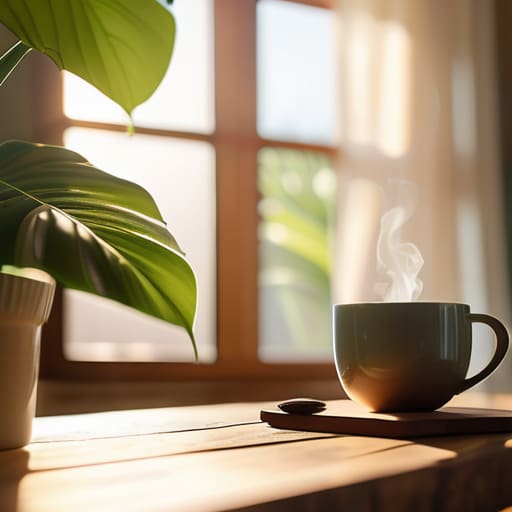
Once you’ve started to recognize those heavy feelings, the next step is learning how to soothe your mind without adding more “to-dos” to your plate. I’ve found that the best mental health coping mechanisms aren’t complicated rituals; they are small, intentional pauses. For me, that might mean stepping away from my laptop to tend to my indoor plants for ten minutes or simply sitting with a warm cup of tea without checking my phone. It’s about creating tiny pockets of peace that signal to your brain that it is finally safe to relax.
Another incredibly helpful tool involves practicing gentle nervous system regulation techniques to help ground yourself when the overwhelm feels like too much. Try a simple sensory exercise: notice five things you can see, four things you can touch, and three things you can hear. This pulls you out of that frantic, spinning headspace and back into the present moment. Remember, we aren’t trying to “fix” ourselves overnight; we are just learning how to be kind to our minds while we heal.
Small, Sustainable Steps to Reclaim Your Energy
- Start by setting some tiny, non-negotiable boundaries. This might mean turning off your work notifications at 6:00 PM sharp or deciding that Sunday mornings are strictly for coffee and no emails. It’s about creating little pockets of space where the world can’t demand anything from you.
- Rediscover a “low-stakes” hobby. When we’re burnt out, even our passions can feel like chores. Try something that has zero productivity value—like tending to my little herb garden or doodling in a notebook—where the only goal is to simply enjoy the process, not to master a new skill.
- Prioritize “micro-rest” throughout your day. We often think rest has to be a week-long vacation, but when you’re in the thick of it, that feels impossible. Instead, try five minutes of deep breathing between meetings or a quick walk around the block without your phone. These tiny resets can keep your battery from hitting zero.
- Audit your “yeses.” I used to be a chronic people-pleaser, thinking saying yes to everything was the way to go, but it’s a fast track to exhaustion. Before you commit to a new project or a social outing, ask yourself: “Do I actually have the capacity for this right now?” It is perfectly okay to say, “I’d love to, but I can’t take anything else on at the moment.”
- Focus on the basics of physical wellness without the pressure of “optimization.” Forget intense workouts or complicated meal prep for a moment. Just focus on the fundamentals: drinking enough water, getting a bit of sunlight, and trying to stick to a consistent sleep schedule. When your body feels even slightly more supported, your mind will follow.
Small Steps Toward a Brighter, More Balanced You
Remember that recovery isn’t a race; it’s okay to take tiny, slow steps toward healing rather than trying to fix everything overnight.
Listen closely to what your body and mind are telling you—those moments of exhaustion are often just gentle nudges to slow down and prioritize yourself.
Be kind to yourself throughout this process, because you deserve the same compassion and patience you so freely give to everyone else.
A Little Reminder for the Hard Days
“Recovering from burnout isn’t about a sudden, massive life overhaul; it’s about giving yourself permission to slow down, breathe, and realize that your worth isn’t tied to how much you can produce in a single day.”
Emma Thompson
Taking It One Step at a Time
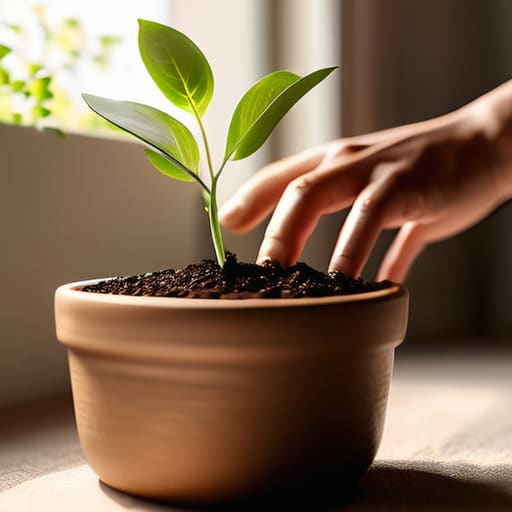
As we wrap things up, I want you to remember that recovering from burnout isn’t a race or a checklist to be completed overnight. We’ve talked about everything from learning to listen to those early warning signs in your body to finding small, quiet ways to nurture your mental health when things feel heavy. Whether it’s setting a firm boundary at work or finally making time for that little hobby you’ve been neglecting, every single choice you make to prioritize yourself is a victory. It’s all about building a sustainable rhythm that works for your unique life, rather than trying to force yourself back into a mold that clearly wasn’t working in the first place.
Please, be kind to yourself as you navigate this transition. There will be days when you feel like you’ve got your stride back, and other days when even the simplest task feels like climbing a mountain. That is perfectly okay. Healing isn’t linear, and you don’t have to be perfect to be making progress. I truly believe that by embracing these small, intentional shifts, you aren’t just recovering—you are actually redesigning a life that feels much more balanced and joyful. You’ve got this, and I’m right here cheering you on every step of the way.
Frequently Asked Questions
How do I know if I’m actually burnt out or if I’m just having a really stressful week?
It’s such a tricky distinction, isn’t it? I used to struggle with this all the time. Think of it this way: a stressful week is like a heavy storm—it’s intense, but you know the sun will eventually come out once the work settles. Burnout, though, feels more like a long, unrelenting drought. If you feel a sense of emptiness or cynicism that doesn’t lift even after a weekend of rest, it’s likely more than just a bad week.
I want to start making changes, but how do I set boundaries at work without feeling guilty or risking my job?
Setting boundaries can feel so scary, especially when you’re worried about how it looks to your boss. I used to feel that same heavy guilt! Start small: try reclaiming your lunch hour or setting a firm “log-off” time. Instead of a hard “no,” try “I can definitely help with that, but I won’t be able to start until tomorrow morning.” It’s about managing expectations, not just saying no. You’ve got this!
Can you suggest some small, low-energy ways to practice self-care when I feel too exhausted to even do much?
When you’re running on empty, even the idea of “self-care” can feel like another chore on your to-do list. Please, give yourself permission to do the bare minimum. Try just sitting by a window with a warm cup of tea, or listening to a calming playlist without trying to “achieve” anything. Even changing into fresh, soft pajamas or stepping outside for three deep breaths counts. Small, low-effort moments are exactly what your soul needs right now.