
I remember sitting on my floor last January, surrounded by three different planners, a stack of “manifestation” journals, and a mountain of colorful sticky notes, feeling absolutely paralyzed. I had this grand, cinematic vision of my perfect life, but the actual process of goal setting for the new year felt less like an inspiring fresh start and more like a second full-time job I hadn’t applied for. I was so busy trying to curate the “perfect” productive aesthetic that I completely forgot to actually live my life, leaving me burnt out by mid-February.
I’m over the hustle culture and the overly complicated systems that require a PhD to navigate. In this post, I want to share the realistic, bite-sized strategies that actually worked for me once I stripped away the fluff. We’re going to skip the toxic productivity traps and focus on gentle, sustainable habits that fit into your real, messy, beautiful life. My promise to you is simple: no expensive planners required, just honest advice and practical steps to help you find your balance.
Table of Contents
- Embracing the Smart Goal Framework for Real Balance
- Productivity Planning Techniques That Actually Feel Sustainable
- Five Ways to Keep Your Goals From Feeling Like a Chore
- Wrapping Up: Your Path to a More Balanced Year
- A Little Perspective for Your Journey
- Finding Your Rhythm in the New Year
- Frequently Asked Questions
Embracing the Smart Goal Framework for Real Balance

Now, I know what you’re thinking—”SMART goals” sounds a bit like something from a stuffy corporate seminar, doesn’t it? Trust me, I’ve been there, sitting in those beige conference rooms during my communications days, nodding along to jargon. But once I started applying the SMART goal framework to my own life, everything changed. Instead of just saying, “I want to be more organized,” I started saying, “I’m going to spend fifteen minutes every Sunday evening prepping my planner for the week.” It’s the difference between a vague wish and a tangible roadmap.
By making your objectives Specific, Measurable, Achievable, Relevant, and Time-bound, you’re actually building a foundation for long-term success rather than just chasing a temporary high. This approach is one of my favorite productivity planning techniques because it keeps you grounded. It prevents that dreaded mid-February slump where you feel like you’ve failed because your goals were too lofty to begin with. When you break things down into these bite-sized, realistic pieces, you aren’t just checking boxes; you’re actually nurturing sustainable growth without the stress.
Productivity Planning Techniques That Actually Feel Sustainable
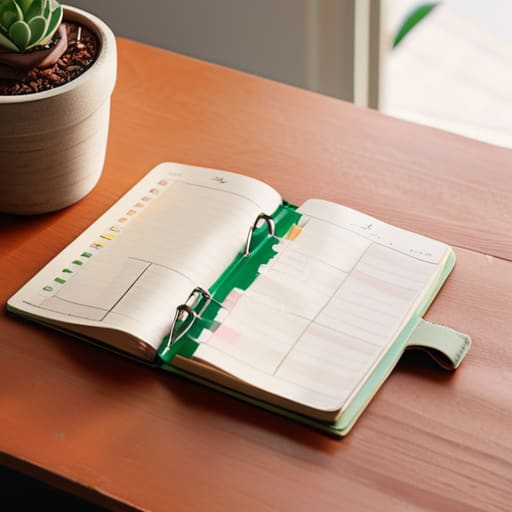
Once you’ve nailed down those SMART goals, the next hurdle is actually making them happen without feeling like you’re running a marathon every single day. I used to fall into the trap of scheduling every minute of my life, only to end up exhausted by Tuesday. Instead of that rigid approach, I’ve found that exploring different productivity planning techniques can make a world of difference. One of my favorites is “time blocking,” where you carve out specific chunks of time for certain tasks, but—and this is the important part—you leave plenty of white space for breathing room.
Another way to keep the momentum going is by focusing on habit formation strategies rather than just big, scary deadlines. Instead of saying “I will write a book,” try “I will write for fifteen minutes after my morning coffee.” It sounds small, but these tiny wins are what lead to achieving personal milestones without the constant dread of a massive to-do list. By breaking your vision into bite-sized, manageable pieces, you’re much more likely to stay consistent and, most importantly, enjoy the process along the way.
Five Ways to Keep Your Goals From Feeling Like a Chore
- Focus on “Why” Before “What.” Before you write down a single target, take a second to ask yourself why it actually matters to you. If you’re setting a goal just because it sounds “productive,” you’ll likely burn out by February. Connect your goals to your personal values—like more time with family or less stress—and they’ll feel much more meaningful.
- Celebrate the Tiny Wins. We often wait until the finish line to pat ourselves on the back, but that’s a recipe for frustration. If your goal is to save money, celebrate the first week you stick to your grocery budget! Acknowledging those small milestones keeps your momentum high when the initial New Year’s excitement starts to fade.
- Build in “Grace Days.” Life happens. Sometimes a project runs late, or you just need a mental health day. Instead of seeing a missed day as a failure, build flexibility into your plan. Think of it as a buffer rather than a setback; it’s much easier to get back on track when you aren’t punishing yourself for being human.
- Audit Your Environment. It’s much harder to hit a goal if your surroundings are working against you. If you want to read more, put a book on your pillow. If you want to eat better, clear out the processed snacks. Making the “good” choice the easiest choice is a total game-changer for your willpower.
- Review and Pivot Regularly. Your goals shouldn’t be set in stone. Every month, take a little time to sit down with a cup of tea and see how things are going. If a goal no longer serves you or feels totally unrealistic, give yourself permission to change it. Adapting isn’t quitting; it’s being smart about your energy.
Wrapping Up: Your Path to a More Balanced Year
Remember that progress isn’t a race; focus on making small, intentional changes that actually fit into your daily rhythm rather than aiming for overnight perfection.
Use frameworks like SMART goals and sustainable planning not as rigid rules, but as gentle tools to help you stay grounded when life gets a little chaotic.
Be kind to yourself along the way—if you miss a day or a goal shifts, just reset and keep moving forward. You’ve got this!
A Little Perspective for Your Journey
“Forget about those intimidating, mountain-sized resolutions that leave you feeling defeated by February. Real growth isn’t about how much you can cram into a single year; it’s about the small, gentle habits you show up for every single day.”
Emma Thompson
Finding Your Rhythm in the New Year

As we wrap this up, I want you to take a deep breath and remember that all these tools—from the SMART framework to those sustainable planning techniques we discussed—are just there to serve you. The goal isn’t to become a productivity robot or to check off every single box on a daunting list. Instead, it’s about using these small, intentional shifts to create a structure that actually supports your well-being rather than draining it. Whether you’re focusing on your finances, your career, or just finding more time for your hobbies, remember that consistency beats intensity every single time.
Please, be kind to yourself as you navigate these new habits. There will be weeks where you fall off track, and honestly? That’s perfectly okay. Life happens, and sometimes the most productive thing you can do is step back, reset, and try again tomorrow. I truly believe that by taking these gentle, manageable steps, you aren’t just setting goals; you’re building a life that feels meaningful and balanced. I’m so excited to see where this journey takes you, and I’ll be right here cheering you on every step of the way. Let’s make this year one of progress, not perfection.
Frequently Asked Questions
How do I keep myself motivated when that initial New Year's energy starts to fade in February?
Oh, I have been there! That “February slump” is so real. When the initial spark fades, stop relying on willpower and start leaning on your systems. Instead of forcing yourself to do more, try shrinking your goals down to something ridiculously small and manageable. Celebrate those tiny wins—even if it’s just sticking to your routine for one day. Remember, progress isn’t a straight line; it’s about showing up, even on the low-energy days.
What should I do if I realize halfway through the year that one of my goals no longer fits my life?
Honestly? Give yourself permission to let it go. I used to feel so guilty about “failing” a goal, but life changes—and that’s okay! If a goal feels like a heavy chore rather than a source of growth, it’s likely outgrown you. Instead of forcing it, take a breath and ask: “Does this still serve my well-being?” If the answer is no, pivot. Pruning a goal is just making room for something better.
How can I balance working toward big career ambitions without sacrificing my mental health or personal time?
I used to think career growth meant constant hustle, but I quickly learned that burnout isn’t a badge of honor. To balance big ambitions with your well-being, try setting “non-negotiable” boundaries. This might mean a hard stop at 6 PM or keeping your weekends for urban gardening and recharging. Treat your personal time as a vital appointment in your calendar—just as important as any boardroom meeting. Success feels a lot better when you’re actually healthy enough to enjoy it.