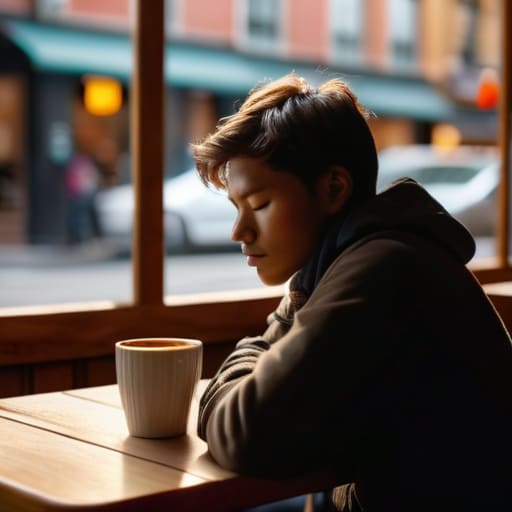
I remember sitting on my floor last winter, surrounded by half-finished upcycling projects and a pile of mismatched, quirky socks, feeling an ache that no amount of “self-care” could touch. It was one of those heavy, quiet evenings where the silence in my apartment felt almost physical. I had been following all the “expert” advice—downloading meditation apps and telling myself to just “embrace solitude”—but honestly, it felt like a band-aid on a broken bone. I realized then that dealing with loneliness isn’t about finding a magic app or suddenly becoming a social butterfly; it’s about navigating that hollow feeling without losing yourself in the process.
I’m not here to sell you on expensive retreats or tell you to join a dozen clubs you don’t have the energy for. Instead, I want to share the small, grounded shifts that actually helped me find my footing again. We’re going to look at some practical, low-pressure ways to reconnect—both with others and with yourself—so you can start feeling a bit more balanced and whole. Let’s skip the fluff and get into the real-world steps that actually make a difference.
Table of Contents
- Recognizing the Signs of Chronic Loneliness in Your Daily Life
- Nurturing Mental Health and Isolation Through Quiet Self Care
- Small Steps Toward Reconnecting: 5 Ways to Find Your Rhythm Again
- Small Steps Toward a More Connected You
- A Little Reminder for the Quiet Days
- Taking Small Steps Toward Connection
- Frequently Asked Questions
Recognizing the Signs of Chronic Loneliness in Your Daily Life
Sometimes, loneliness doesn’t arrive like a sudden storm; it’s more like a slow, quiet fog that rolls in and settles around your daily routine. You might find yourself scrolling through social media for hours, not because you’re interested in the content, but because it feels like a distraction from the silence in your apartment. It’s easy to mistake this for just being a homebody, but it’s important to pay attention to the subtle signs of chronic loneliness that creep in when we feel disconnected from the world around us.
You might also notice shifts in your physical or emotional energy. Maybe you’re feeling more fatigued than usual, or perhaps you’ve started withdrawing from even the small, easy interactions, like chatting with the barista or a neighbor. When we struggle with mental health and isolation, our world can start to feel incredibly small. If you find that you’re constantly overthinking social interactions or feeling a sense of dread when thinking about making plans, your mind might be trying to tell you that your need for connection isn’t being met. Recognizing these patterns is the first step toward finding your way back to a sense of belonging.
Nurturing Mental Health and Isolation Through Quiet Self Care

When we talk about the intersection of mental health and isolation, it’s easy to fall into the trap of thinking that “self-care” means just staying in bed with a movie. While a cozy night in is lovely, true self-care during lonely stretches is about finding a gentle way to reconnect with yourself so you don’t feel lost in the silence. I’ve found that leaning into intentional solitude—like tending to my indoor herb garden or finally finishing that book I started months ago—can transform a heavy sense of emptiness into a much more peaceful, restorative experience.
The goal isn’t to hide away, but to develop healthy coping mechanisms for solitude that build your internal resilience. Instead of letting the quiet feel like a void, try to treat it as a space for reflection. Whether it’s journaling your thoughts or practicing a bit of mindful breathing, these small acts help you feel more grounded. By nurturing your inner world first, you’re actually preparing your heart to step back out into the world and engage with others when you feel ready.
Small Steps Toward Reconnecting: 5 Ways to Find Your Rhythm Again
- Start with “micro-connections.” You don’t need to host a dinner party to feel less alone. Sometimes, just a quick chat with your barista about their day or a friendly nod to a neighbor while you’re out on your morning walk can break that heavy sense of isolation.
- Lean into your passions. I’ve found that when I’m lost in a new DIY project or tending to my garden, the loneliness feels a lot less loud. Joining a local club or even an online community centered around a hobby—like upcycling or urban gardening—is a low-pressure way to meet people who actually “get” you.
- Schedule some “social snacks.” When we feel lonely, the idea of a big social outing can feel exhausting. Instead, try scheduling something small and manageable, like a fifteen-minute catch-up call with an old friend or a quick coffee date. Think of it as nourishing your social battery without draining it.
- Volunteer your time. There is something so incredibly grounding about helping others. Whether it’s at a local food bank or an animal shelter, shifting your focus outward can provide a profound sense of purpose and connect you to the heartbeat of your community.
- Curate your digital space. If scrolling through social media makes you feel like everyone else is at a constant party while you’re stuck at home, it’s time for a digital declutter. Unfollow the accounts that trigger “comparisonitis” and instead seek out creators who offer genuine connection and encouragement.
Small Steps Toward a More Connected You
Remember that connection doesn’t have to be a grand gesture; sometimes, just a quick text to a friend or a brief chat with your barista can make a world of difference in breaking that sense of isolation.
Be kind to yourself on the days when the loneliness feels heavy, treating your mental health with the same compassion you’d offer a dear friend rather than judging yourself for feeling this way.
Focus on building small, consistent habits—whether it’s joining a local gardening group or setting a weekly coffee date—to slowly weave social interaction back into the fabric of your routine.
A Little Reminder for the Quiet Days
“Loneliness isn’t a sign that you’re failing at life; it’s just a signal from your heart that you’re craving connection. Be gentle with yourself while you find your way back to the world.”
Emma Thompson
Taking Small Steps Toward Connection

As we wrap things up, I want you to remember that navigating loneliness isn’t about a sudden, massive overhaul of your social life. It’s about those small, intentional shifts we talked about—from recognizing when the isolation is starting to weigh on you, to those quiet moments of self-care that help you reconnect with yourself before you try to reconnect with the world. Whether it’s reaching out to an old friend for a quick coffee or simply finding peace in your own company through a new hobby, every bit of effort counts. Remember, the goal isn’t perfection; it’s about building a foundation of resilience so that you feel steady enough to reach out when you’re ready.
Please be gentle with yourself as you move forward. Some days will feel lighter and more connected than others, and that is perfectly okay. Loneliness can feel like a heavy fog, but it doesn’t define who you are or what your future holds. I truly believe that by taking these gentle, manageable steps, you can slowly find your way back to a sense of belonging and balance. You don’t have to figure it all out by tomorrow morning. Just focus on one small, kind thing you can do for yourself today. We’re in this together, and I know you’ve got this.
Frequently Asked Questions
How can I tell the difference between just needing some alone time and actually being lonely?
It’s such a tricky distinction, isn’t it? I like to think of it this way: solitude is a choice that leaves you feeling recharged, like a cozy afternoon with a book and my favorite quirky socks. Loneliness, however, feels like a heavy weight you didn’t ask for. If your alone time feels restorative and peaceful, you’re likely just recharging. But if it feels hollow, draining, or even a bit scary, that’s usually loneliness knocking.
What are some low-pressure ways to start socializing again if I've been isolated for a while?
If you’ve been in your own little bubble for a while, jumping straight into a crowded party feels totally overwhelming. Start small! Try “parallel play”—like heading to a local coffee shop or a library. You’re around people, but there’s zero pressure to perform. You could also look into low-stakes hobby groups, like a community garden or a casual book club. It’s all about finding those gentle, low-pressure ways to dip your toes back in.
How do I deal with loneliness when I'm surrounded by people, like at work or in a busy city?
It’s such a strange, hollow feeling, isn’t it? Being in a crowded office or a bustling city street and still feeling completely invisible. I call this “social loneliness,” and it’s actually more common than you’d think. To combat it, I’ve found that shifting from shallow interactions to meaningful ones is key. Try a small, intentional connection—like asking a coworker a genuine question about their weekend or joining a local hobby group. It’s about quality over quantity.