
Have you ever spent a small fortune on a “smart” mattress or a high-tech sleep mask, only to find yourself staring at the ceiling at 3:00 AM anyway? It honestly drives me a little crazy how much we’ve been told that fixing our rest requires expensive gadgets and complicated, bio-hacking protocols. I used to think that learning how to sleep better meant turning my bedroom into a laboratory, but I quickly realized that most of that high-priced hype is just noise.
I’m not here to sell you a lifestyle overhaul or a subscription to a meditation app you’ll never use. Instead, I want to share the practical, low-stress shifts that actually moved the needle for me when I was struggling through those burnout-heavy years in corporate life. We’re going to focus on simple, sustainable habits—the kind you can actually stick to even on your busiest days. My goal is to help you reclaim your rest without the overwhelm, so you can finally wake up feeling genuinely refreshed and ready to take on the world.
Table of Contents
Nurturing Melatonin Production Naturally for Restful Evenings

One of the biggest game-changers for me was realizing that our bodies actually follow a very specific internal clock. To really get the most out of your rest, it helps to focus on circadian rhythm regulation by staying consistent with your schedule. I used to be a total night owl, but I found that getting a little bit of natural sunlight in the morning and dimming the lights in the evening helps signal to your brain that the day is winding down.
Speaking of lights, we really can’t ignore the effects of blue light on sleep. I know, I know—scrolling through social media before bed is incredibly tempting (believe me, I’ve been there!), but that harsh glow from our phones can actually trick our brains into thinking it’s still daytime. Instead of reaching for your phone, try swapping that screen time for a few gentle relaxation techniques, like reading a physical book or journaling. By prioritizing melatonin production naturally, you’re essentially giving your body the green light to drift off into a much deeper, more restorative slumber.
Simple Sleep Hygiene Practices to Ease Your Mind
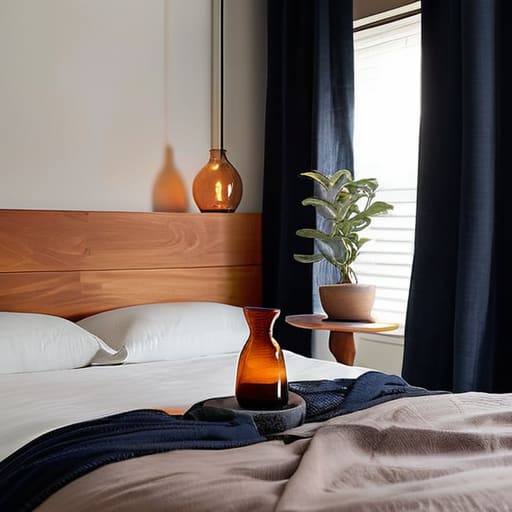
Once we’ve addressed what we’re putting into our bodies, I like to shift my focus to our external surroundings. We often underestimate how much our physical space dictates our mental state. For me, optimizing sleep environment is a game-changer; I’m talking about keeping the bedroom cool, dark, and—most importantly—a sanctuary for rest rather than a second office. If your desk is right next to your pillow, your brain never truly gets the memo that the workday is over.
Another big one I’ve struggled with is the constant pull of our screens. We’ve all been there, scrolling through social media late at night, but the effects of blue light on sleep are very real and can totally throw off your internal clock. Instead of reaching for your phone, try swapping that habit for some gentle relaxation techniques for insomnia, like reading a physical book or doing some light stretching. It’s all about creating a consistent wind-down ritual that signals to your nervous system that it is finally time to let go of the day.
Small Tweaks for a Better Night's Rest
- Watch your caffeine intake in the afternoon. I used to think a little latte at 3 PM was fine, but I realized it was keeping my brain buzzing long after I hit the pillow. Try switching to herbal tea after lunch to give your nervous system a chance to settle.
- Create a consistent sleep schedule, even on weekends. I know, I know—sleeping in on Saturdays feels like a reward, but our bodies actually love rhythm. Aiming for the same wake-up time helps regulate your internal clock so you don’t feel like a zombie on Monday morning.
- Turn your bedroom into a sanctuary. Since I started treating my bedroom as a “tech-free zone,” I’ve noticed a huge difference. Keep the lights low, the temperature cool, and try to keep the laptop and phone out of arm’s reach so your brain knows it’s time to unplug.
- Don’t fight the “tossing and turning” cycle. If you find yourself staring at the ceiling for more than twenty minutes, get out of bed. Go sit in a cozy chair with a book for a few minutes. You want your brain to associate your bed with sleep, not with the frustration of being awake.
- Mindful movement during the day. You don’t need to run a marathon, but even a quick walk through the neighborhood or a bit of light stretching can help tire your body out in a healthy way. Just listen to your body and find a rhythm that feels good for you.
Quick Wins for a Better Night's Rest
Focus on the small stuff, like dimming the lights and ditching the screens, to help your body naturally prepare for sleep.
Create a consistent wind-down routine that signals to your brain it’s finally time to switch off and recharge.
Remember that progress isn’t about perfection; even one small change to your evening habits can make a huge difference in how you feel tomorrow.
A Little Thought on Rest
“We often treat sleep like a luxury we have to earn after a long day, but I’ve learned it’s actually the foundation that makes everything else—our work, our creativity, and our joy—possible. Taking care of your rest isn’t selfish; it’s how you show up for your life.”
Emma Thompson
Rest Well, Live Better

We’ve covered a lot of ground today, from understanding how to naturally nudge your melatonin production to setting up those small but mighty sleep hygiene habits. It might feel like a lot to juggle at first, but remember that you don’t have to overhaul your entire life overnight. Whether it’s dimming the lights an hour before bed or finally committing to a consistent wind-down routine, the goal is to create a gentle rhythm that signals to your body that it’s okay to let go. By focusing on these small, manageable shifts in your evening environment and your mindset, you are laying the foundation for much deeper, more restorative rest.
At the end of the day, please be kind to yourself as you navigate these changes. Some nights will be easier than others, and that is perfectly okay. Improving your sleep isn’t about achieving perfection; it’s about prioritizing your well-being and honoring what your body needs to thrive. Think of these tips as tools in your kit, helping you reclaim the energy and clarity you deserve. I truly believe that when we get our rest right, everything else in life—our careers, our relationships, and our creativity—starts to fall into place more beautifully. You’ve got this, and I’m right here rooting for you!
Frequently Asked Questions
Is there a specific time of day when I should stop drinking caffeine to make sure it doesn't mess with my sleep?
That is such a great question, and honestly, it’s one of the biggest culprits when it comes to restless nights! While everyone’s body is a little different, I’ve found that aiming to cut off the caffeine by early afternoon—around 2:00 PM—makes a world of difference. Since caffeine can linger in your system for hours, stopping early gives your body the chance to naturally wind down without that jittery buzz interfering with your sleep cycle.
I find myself waking up in the middle of the night with my mind racing; are there any quick ways to calm down without reaching for my phone?
Oh, I have been there so many times—staring at the ceiling while my brain decides it’s the perfect time to replay every awkward conversation from 2014. It’s the worst! Instead of reaching for your phone (which is basically liquid caffeine for your brain), try a gentle “brain dump” on a notepad by your bed to get those thoughts out of your head. If that feels like too much work, try the 4-7-8 breathing technique. It’s a total game-changer for calming your nervous system!
How much of a difference does room temperature actually make when I'm trying to get comfortable?
Honestly, it makes a massive difference! I used to think I was just being picky, but it turns out our bodies actually need a slight drop in core temperature to signal it’s time for sleep. Think of it like a natural cue for your brain to wind down. Aiming for around 65°F (or 18°C) is usually the sweet spot. If your room is too stuffy, you’ll likely toss and turn all night.