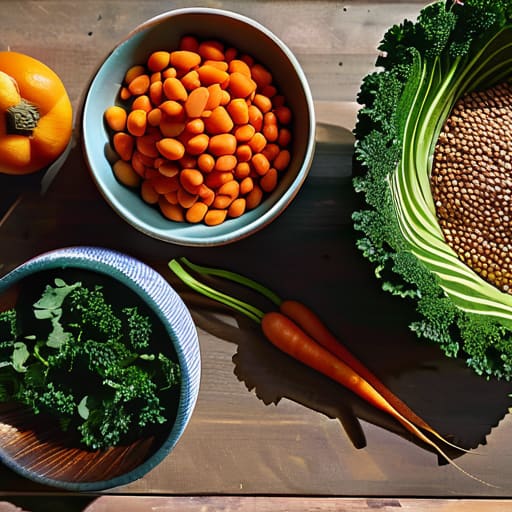
I remember standing in the middle of a high-end grocery store a few years ago, staring at a tiny, plastic-wrapped container of organic quinoa that cost more than my lunch. It felt like the world was telling me that if I wanted to be “wellness-focused,” I had to be prepared to empty my savings account by Tuesday. There is this pervasive, frustrating myth that healthy eating on a budget is an impossible dream reserved only for people with endless free time and massive bank accounts. Honestly? It’s total nonsense, and it’s exactly the kind of overwhelming noise I want to help you tune out.
I’m not here to sell you on expensive superfood powders or complicated meal prep rituals that take up your entire Sunday. Instead, I want to share the real-world strategies I’ve used to keep my kitchen stocked with nourishing food without feeling the sting in my wallet. We’re going to focus on simple, practical swaps and smart shopping habits that actually work for busy, real lives. Consider this my no-nonsense contract with you: we’re going to find that sweet spot of balance where your body feels fueled and your budget stays intact.
Table of Contents
Embracing Affordable Whole Foods for Daily Vitality
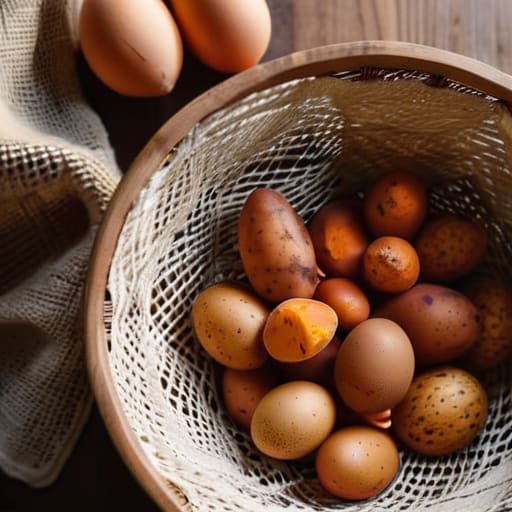
When I first started my journey toward a more balanced lifestyle, I used to think that “eating well” meant expensive organic salads and trendy superfoods that cost a fortune. I quickly learned that’s just not true. The real secret lies in embracing affordable whole foods that nourish your body without draining your savings account. I’m talking about the unsung heroes of the pantry: lentils, oats, sweet potatoes, and eggs. These items are incredibly versatile and serve as the perfect foundation for almost any meal.
One of my favorite ways to keep things simple is by focusing on bulk buying healthy staples. If you grab things like brown rice, quinoa, or dried beans in larger quantities, you’ll notice a huge difference in your weekly grocery bill. It’s a total game-changer for your wallet! I also love leaning into the seasonal produce benefits by shopping whatever is currently in season. Not only does it taste significantly better, but it’s almost always much cheaper than those out-of-season imports. It’s all about making small, intentional shifts that add up over time.
The Magic of Seasonal Produce Benefits
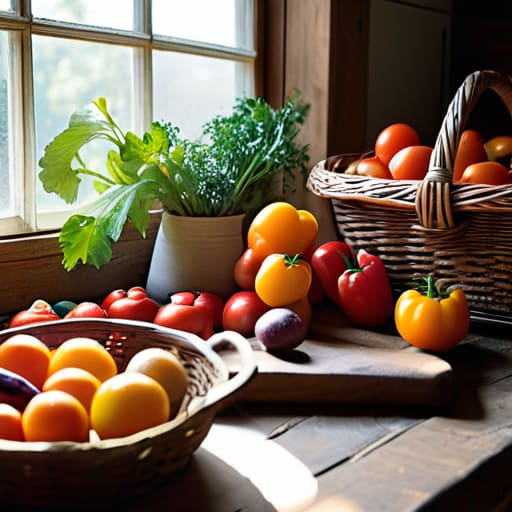
One of my favorite ways to keep things simple and inexpensive is to follow the rhythm of the seasons. When you lean into what’s naturally growing right now, you aren’t just getting the freshest flavors; you’re tapping into the seasonal produce benefits that make a huge difference in your wallet. When a fruit or vegetable is in peak season, it’s abundant, which means the prices at your local market or grocery store tend to plummet.
I’ve found that instead of fighting the clock and reaching for those pricey, out-of-season imports, I just ask myself, “What’s looking great in the bins today?” It turns grocery shopping into a bit of a treasure hunt rather than a chore. Plus, these items are often much more flavorful, which makes meal prepping for savings a total breeze because you don’t have to work as hard to make simple ingredients taste amazing. Whether it’s a crate of juicy summer berries or hearty winter squash, eating with the seasons is a beautiful way to stay nourished without the financial stress.
Smart Strategies to Keep Your Kitchen (and Wallet) Happy
- Master the art of meal prepping. I used to think it meant spending my entire Sunday in the kitchen, but it’s really just about prepping a few versatile staples—like a big batch of quinoa or roasted veggies—that you can toss into different meals throughout the week. It saves so much time and stops those expensive, last-minute takeout orders!
- Don’t sleep on the frozen aisle. Honestly, frozen fruits and veggies are a lifesaver. They’re usually picked at peak ripeness and flash-frozen, which means they keep all those nutrients intact, and they’re often way cheaper than the “fresh” stuff that wilts in your fridge after two days.
- Get cozy with pantry staples. Beans, lentils, oats, and brown rice are my absolute best friends. They have a long shelf life, they’re incredibly cheap, and they provide that steady energy we all need to get through a busy workday without a sugar crash.
- Shop your own pantry before you hit the store. This was a huge lesson for me! Before I make my grocery list, I take a quick peek at what I already have tucked away in the back of the cupboards. You’d be surprised how many delicious meals you can whip up just by combining what’s already there.
- Buy in bulk when it makes sense. If you have the space, grabbing larger quantities of things you use every single day—like coffee, nuts, or even olive oil—can really shave down the cost per serving. Just make sure you actually have a plan to use it so nothing goes to waste!
Quick Wins for Your Wallet and Your Wellness
Focus on filling your pantry with versatile, low-cost staples like beans, grains, and frozen veggies to keep your meals nutritious and affordable.
Shop with the seasons in mind to snag the freshest produce at much lower prices than out-of-season imports.
Remember that eating well is about small, sustainable shifts rather than perfection—start with one or two changes that feel doable for your lifestyle.
A Little Food for Thought
“Eating well isn’t about having a massive grocery budget or a pantry full of expensive superfoods; it’s about making intentional, simple choices that nourish your body and your bank account at the same time.”
Emma Thompson
Small Steps Toward a Healthier You
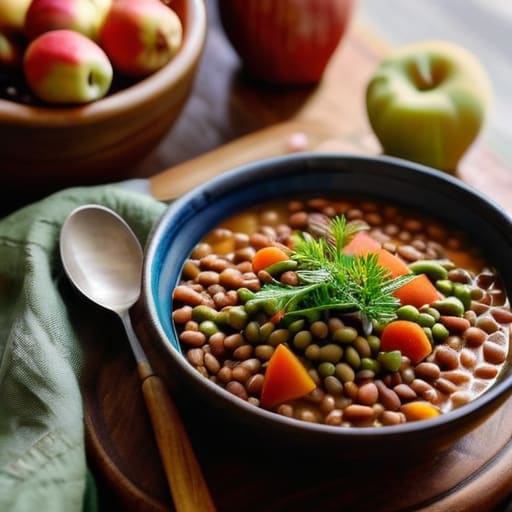
As we wrap things up, I want you to remember that eating well doesn’t require a massive grocery budget or a culinary degree. By focusing on affordable whole foods, leaning into the natural rhythm of seasonal produce, and being a little more intentional with our meal planning, we can nourish our bodies without feeling the sting in our bank accounts. It’s really about making smart, sustainable swaps rather than trying to overhaul your entire life overnight. Whether it’s choosing frozen veggies when fresh ones are pricey or grabbing a bag of lentils instead of expensive meat, these small choices truly add up over time.
I know that life can feel incredibly overwhelming sometimes, and trying to manage your finances while also prioritizing your wellness can feel like a lot to juggle. But please, be kind to yourself as you navigate this journey. You don’t have to be perfect; you just have to be willing to start. Think of every healthy meal as a small win for your future self. I truly believe that by taking these simple, manageable steps, you are building a foundation for a life that feels both balanced and abundant. We’ve got this!
Frequently Asked Questions
How can I make sure I'm getting enough protein without buying expensive cuts of meat?
I totally get it—those premium steaks can really sting your wallet! But here’s a little secret: you don’t need fancy cuts to hit your protein goals. I’ve found that leaning on plant-based powerhouses like lentils, chickpeas, and black beans is a total game-changer. If you still want meat, try switching to eggs or canned tuna. They’re super affordable, easy to keep on hand, and honestly, they make meal prep so much simpler!
Are there any easy ways to meal prep for the week so I don't end up ordering takeout when I'm tired?
I totally get that feeling—it’s usually around 7:00 PM on a Tuesday when the temptation to hit “order” on a delivery app is strongest! To avoid that, I love the “component prepping” method. Instead of making full meals, I prep versatile building blocks: a big batch of roasted veggies, some quinoa, and a protein like shredded chicken. That way, you can toss them together in five minutes and still feel like you’ve had a real meal.
I'm always worried about food waste—how do I keep my fresh produce from spoiling before I can use it?
I totally feel you on this—nothing hurts more than finding a bag of slimy spinach at the bottom of the crisper drawer! To keep things fresh, I’ve learned that storage is everything. Try treating your herbs like flowers in a little jar of water, and always wrap leafy greens in a paper towel to soak up excess moisture. Also, remember that some veggies, like onions and potatoes, actually prefer staying apart!