I was halfway through my morning coffee yesterday, finally enjoying a moment of quiet, when that piercing, high-pitched screech echoed through the hallway again. Every time I opened the door to my home office, it felt like a tiny alarm was going off, instantly shattering my focus and spiking my stress levels. It’s funny how such a small, mechanical annoyance can totally derail your peace of mind. Most people think they need to call in a professional or buy a complicated toolkit just to figure out how to fix a squeaky door, but I promise you, that is a total myth.
The truth is, you don’t need a degree in home repair or a massive budget to reclaim your calm. I’ve spent years learning how to tackle these little household hiccups with nothing more than what’s already in my pantry or junk drawer. In this guide, I’m going to walk you through my favorite, no-nonsense methods to silence those hinges for good. We’ll skip the expensive gadgets and focus on simple, effective solutions that actually work, so you can get back to enjoying a home that feels as serene as it looks.
Table of Contents
Guide Overview
Tools & Supplies
- Screwdriver (to tighten loose hinge screws)
- Microfiber cloth (to wipe away excess lubricant)
- Lubricant (1 can of WD-40 Specialist Silicone or 1 bottle of Lithium grease)
- Paper towels (1 roll for cleanup)
Step-by-Step Instructions
- 1. First things first, let’s grab a few supplies so you aren’t running back and forth to the garage mid-project. You’ll want some lubricant—I personally love a good silicone spray or even a bit of petroleum jelly—a few paper towels, and a screwdriver. If you want to be extra thorough, grab an old rag to catch any messy drips before they hit your carpet.
- 2. Next, we need to identify exactly where that annoying sound is coming from. Open and close the door slowly, listening closely to the hinges. Once you’ve pinpointed the culprit, take a damp paper towel and wipe down the hinge to remove any lingering dust or old, crusty buildup. It’s a small step, but cleaning the surface makes the lubricant work much more effectively.
- 3. Now, it’s time to get a little more hands-on. If a quick spray on the outside doesn’t do the trick, you might need to pull the hinge pin out. Use a hammer and a large nail (or a screwdriver) to gently tap the pin upward from the bottom of the hinge until it slides out. Just be careful not to go too fast; we want progress, not a dented door!
- 4. Once you have the pin out, take a look at it. If it looks a bit rusty or grimy, wipe it clean with your rag. This is the perfect moment to apply your lubricant. Instead of just spraying it, I find that smearing a thin layer of petroleum jelly or specialized grease directly onto the pin ensures it stays lubricated much longer than a simple spray-on fix.
- 5. Carefully slide the pin back into the hinge. As you push it down, use your hammer to lightly tap it back into place until it’s flush with the hinge plates. It might feel a little snug because of the extra lubricant, but that’s exactly what you want for a smooth, quiet glide.
- 6. Before you celebrate your newfound silence, grab those paper towels again and wipe away any excess oil that might have squeezed out. You don’t want to leave a greasy residue that attracts dust or stains your woodwork later on. A quick clean-up now saves you a headache down the road.
- 7. Finally, give the door a few test swings. Open it wide, close it softly, and listen for that sweet, silent movement. If it’s still making a tiny bit of noise, you might just need a tiny bit more lubricant on a different part of the hinge, but usually, this simple process is all it takes to bring the peace back to your home.
Choosing Your Remedy Wd 40 vs Silicone Spray for Doors
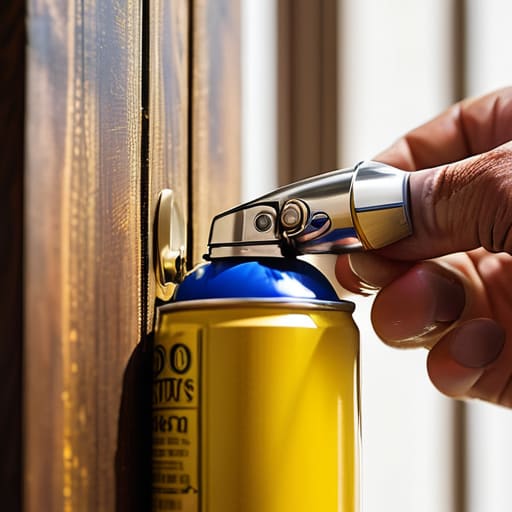
Now, once you’ve identified the culprit, you’ll likely find yourself standing in the hardware aisle staring at a sea of spray cans. It’s a common dilemma: WD-40 vs silicone spray for doors, and honestly, choosing the wrong one can sometimes lead to more mess than you bargained for. While I love the versatility of the classic blue and yellow can, keep in mind that standard WD-40 is actually a solvent designed to displace moisture and break up rust. It’s fantastic for initial door hinge pin maintenance to get things moving again, but it can evaporate relatively quickly.
If you’re looking for a long-term solution to keep that silence lasting, I usually recommend reaching for a silicone spray. Silicone creates a much more durable, non-greasy barrier that resists dust and grime, making it a superstar for regular door hardware maintenance tips. If you’re in a pinch and don’t want to run to the store, you can even look for household items to stop door squeaks, like a bit of petroleum jelly or even a drop of cooking oil in a real emergency. Just remember, the goal is a smooth, lasting glide!
Simple Household Items to Stop Door Squeaks Fast
Sometimes, you don’t need to run to the hardware store to find a solution; you can often find exactly what you need right in your pantry or bathroom cabinet. If you’re in the middle of a deep clean and that sudden skritch-skritch sound interrupts your flow, don’t panic. A little bit of petroleum jelly or even a few drops of olive oil can work wonders in a pinch. These household items to stop door squeaks are perfect for a quick fix when you just want to restore a little peace to your home without a major project.
Just a heads-up, though: while these kitchen staples are lifesavers for a temporary fix, they aren’t permanent solutions. Oils can sometimes attract dust over time, so think of them as a “right now” remedy rather than long-term door hardware maintenance tips. If you find yourself constantly reaching for the olive oil, it might be time to transition to something more heavy-duty. But for those unexpected moments when a noisy hinge is testing your patience, your kitchen cupboard is likely your best friend!
A Few Extra Tricks to Keep Things Running Smoothly
- Don’t forget to wipe away the excess! After you’ve applied your lubricant, take a clean rag and wipe off any drips. This prevents oily residue from building up on your door or staining your trim, which keeps your space looking tidy.
- Check the alignment of your door, too. Sometimes a squeak isn’t just about friction; it might be because the door is hanging slightly crooked. If you notice it’s rubbing against the frame, you might need to tighten the hinge screws rather than just adding more oil.
- Keep a small “maintenance kit” handy. I like to keep a tiny can of silicone spray and a microfiber cloth in my utility drawer. That way, when a noise starts driving me crazy, I can fix it in thirty seconds without a frantic search through the garage.
- Listen to the rhythm of the squeak. If it’s a high-pitched chirp, it’s likely just the hinge pin. If it’s a low, grinding sound, the door might be rubbing against the floor or the frame. Identifying the sound helps you pick the right fix the first time.
- Be patient with the process. If you apply a lubricant and the noise persists, try lifting the hinge pin up slightly (without removing it entirely) to let the oil seep deeper into the mechanism. Sometimes it just needs a little more time to settle in.
Quick Reminders for a Squeak-Free Home
Don’t let a tiny noise ruin your zen—most squeaks are just a quick fix away with a little bit of lubrication.
Match your remedy to the job, using a dedicated spray for long-term results or a household staple for a fast, temporary fix.
Keep a small tin of oil or a spray can handy in your utility drawer so you can tackle those little household annoyances before they start getting on your nerves.
Small Fixes, Big Peace
“Sometimes, the smallest interruptions—like that tiny, nagging squeak every time you walk through a door—can take up more mental space than we realize. Fixing it isn’t just about maintenance; it’s about reclaiming a little bit of the quiet and calm your home deserves.”
Emma Thompson
Finding Your Quiet Moment

Whether you decided to reach for a specialized silicone spray or opted for a quick fix using something already tucked away in your pantry, the goal was the same: reclaiming a little bit of peace in your living space. We’ve covered everything from the heavy hitters like WD-40 to those clever household hacks that save you a trip to the hardware store. Remember, the “best” method is simply the one that works for you and fits your current setup. Taking those few minutes to address a small, nagging sound is a huge win for your home’s overall vibe and your own mental clarity.
At the end of the day, fixing a squeaky door is about so much more than just maintenance; it’s about the small, intentional acts that make our environments feel more harmonious. It’s easy to let these tiny irritations slide, but I’ve learned that tackling the little things often paves the way for a much more centered and organized life. So, take a deep breath, enjoy the newfound silence, and know that you’re doing a wonderful job of creating a space that truly supports your well-being. You’ve got this!
Frequently Asked Questions
What should I do if I've already applied lubricant but the squeak keeps coming back a few days later?
Ugh, I know that feeling all too well—you fix it, feel so accomplished, and then screech, there it is again a few days later. If that’s happening, the lubricant might just be washing away or failing to reach the actual source of the friction. Try pulling the hinge pins out entirely to clean them and apply a thicker grease. Sometimes, we just need to go a little deeper to find a lasting fix!
Is there a way to fix a squeaky door without having to take the whole hinge apart?
Oh, I totally get it—sometimes the thought of a full-on DIY teardown feels like way too much for a Tuesday night! The good news is, you absolutely can fix that squeak without a complete overhaul. Most of the time, the noise is just surface friction. Try spraying a little lubricant directly into the top of the hinge joints or even just working a few drops of oil into the gaps. It’s a total lifesaver!
Can using too much oil or spray actually damage the wood around my door frame?
That is such a great question, and honestly, I’ve been there—trying to fix a squeak and ending up with a messy drip on my floor! While a little goes a long way, you do want to be careful. Using excessive amounts can cause oil to seep into the wood, potentially staining or softening it over time. My best advice? Use a small brush or a rag to apply just a tiny bit exactly where you need it.