Have you ever sat through a meeting or a brilliant podcast, scribbling furiously, only to look down ten minutes later and realize you’ve essentially written a meaningless grocery list? I’ve been there more times than I’d like to admit. We’ve been told that to be truly organized, we need complex, high-tech systems or expensive digital setups, but honestly, most of those fancy note taking methods just end up adding more clutter to our already busy brains. It feels like we’re spending more time managing the notes than actually using the information to better our lives.
I’m not here to sell you on a complicated productivity cult or a subscription service you don’t need. Instead, I want to share what actually works for me when I’m juggling freelance deadlines and my urban garden. I’m going to walk you through a few tried-and-true note taking methods that are actually sustainable for real people with real lives. My goal is to help you find a way to capture your best ideas without the overwhelm, so you can finally clear that mental fog and get back to what matters.
Table of Contents
Embracing the Cornell Note Taking System for Clarity
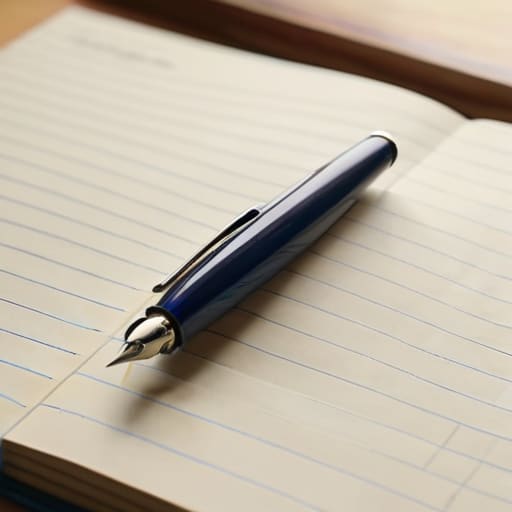
If you’ve ever walked away from a meeting or a lecture feeling like you just captured a chaotic stream of consciousness rather than actual information, the Cornell note taking system might be your new best friend. I love this method because it isn’t just about scribbling words down; it’s about creating a structured space for your brain to actually process what you’re hearing. You essentially divide your page into three sections: a narrow column for cues or questions, a larger area for your main notes, and a summary box at the bottom.
What makes this so special is how it encourages active listening techniques while you’re still in the moment. Instead of frantically trying to transcribe every single word, you’re looking for the core ideas. When you sit down later to review, those little cues you wrote in the margin act as a roadmap, helping you pull the most important points out of the clutter. It turns your notebook from a messy graveyard of ideas into a functional tool for clarity, making your review sessions feel less like a chore and more like a quick refresh.
Choosing Your Path Digital vs Analog Note Taking
So, now that we’ve looked at a specific system, you might be wondering: where should these notes actually live? This is the classic debate of digital vs analog note taking, and honestly, there’s no “wrong” answer—only what works for your brain. I remember when I first started my career, I was a total paper purist. I loved the tactile feeling of a pen hitting a fresh page, and I found that it really helped me practice active listening techniques during hectic meetings. There’s something about the physical act of writing that slows you down just enough to actually process what’s being said.
On the flip side, I can’t deny the magic of going digital. If you’re like me and tend to lose things or want everything searchable at your fingertips, an iPad or a laptop is a lifesaver. Digital tools make organizing lecture notes or meeting minutes incredibly seamless, especially when you need to copy-paste info or add images instantly. Ultimately, it’s about finding your own rhythm. Whether you’re a pen-and-paper lover or a tech enthusiast, the goal is to find a way that makes you feel organized and empowered rather than cluttered.
5 Little Tweaks to Make Your Notes Actually Work for You
- Don’t try to transcribe every single word like a court reporter; instead, focus on capturing the big ideas and the “aha!” moments so you aren’t drowning in a sea of text later.
- Give your notes some breathing room by using bullet points and plenty of white space—it makes them way less intimidating to look back on when you’re in a rush.
- Try a quick “five-minute rewind” at the end of your day to glance over what you wrote, which helps move those thoughts from your temporary memory into something that actually sticks.
- Color-code just a little bit—maybe use a highlighter for deadlines or a different colored pen for questions—to help your eyes jump straight to the most important bits.
- Always include a “context tag” at the top, like the date or the specific project name, because there’s nothing more frustrating than finding a great idea but having no clue when or why you thought of it.
Making It Work for You
Remember, there’s no “perfect” system—only the one that actually helps you feel less overwhelmed and more organized.
Don’t be afraid to mix it up; maybe you’ll use a digital app for quick grocery lists and a classic notebook for your big, deep-thinking projects.
The goal isn’t to have the prettiest notes, but to create a reliable way to capture your ideas so you can clear that mental clutter and get back to living.
A Little Note to Self
“At the end of the day, note-taking isn’t about creating a perfect archive; it’s about finding a way to catch your best ideas before they drift away, so you can finally quiet that mental chatter and just breathe.”
Emma Thompson
Finding Your Personal Flow

At the end of the day, there really isn’t a “perfect” way to take notes—there is only the way that works for you. Whether you found yourself drawn to the structured approach of the Cornell method or you realized that the tactile feel of a fountain pen on paper is what keeps you focused, the goal remains the same: capturing ideas so they don’t weigh you down. We’ve looked at how digital tools offer incredible organization and how analog methods can help with deep focus, but remember that the best system is the one you actually use consistently. Don’t get too caught up in the aesthetics of a perfect planner; focus instead on how these methods help you process information and clear that mental fog.
As you move forward, I want to encourage you to be kind to yourself during this learning process. You might try a new method this week and realize it feels a bit clunky, and that’s totally okay! Think of it like my urban garden—sometimes you have to experiment with different soil or light levels before things really start to bloom. Finding your rhythm takes a little bit of trial and error, but I promise it is so worth the effort. Once you find that sweet spot, you’ll feel a sense of calm and control that makes even the busiest days feel manageable. Let’s keep growing together!
Frequently Asked Questions
I’ve tried a few methods before and failed; how do I know which one will actually stick for me?
I’ve been there—staring at a notebook full of messy scribbles and feeling like I’ve just wasted my time. Honestly, the secret isn’t finding the “perfect” system; it’s finding the one that feels the least like a chore. Start small. Pick one method, try it for just one week, and pay attention to how it makes you feel. If it feels like a burden, toss it! Your method should serve you, not the other way around.
Is it better to take notes during a meeting or wait until afterward to process everything?
Honestly, I’ve found that a hybrid approach works best for my sanity. I try to jot down quick, raw bullet points during the meeting just so I don’t lose those “aha!” moments. But—and this is the big part—I always set aside ten minutes right after to actually process them. If you wait too long, the details get fuzzy, but if you try to do it all in the moment, you might miss the actual conversation.
How can I keep my notes from just becoming a giant, disorganized digital graveyard?
Oh, I have been there! There is nothing more frustrating than searching for a brilliant idea only to find it buried under a mountain of digital clutter. To keep your notes from turning into a graveyard, you have to stop treating them like a storage unit and start treating them like a conversation. Try using a simple tagging system or a “weekly review” ritual. It keeps things searchable and, more importantly, actually useful!