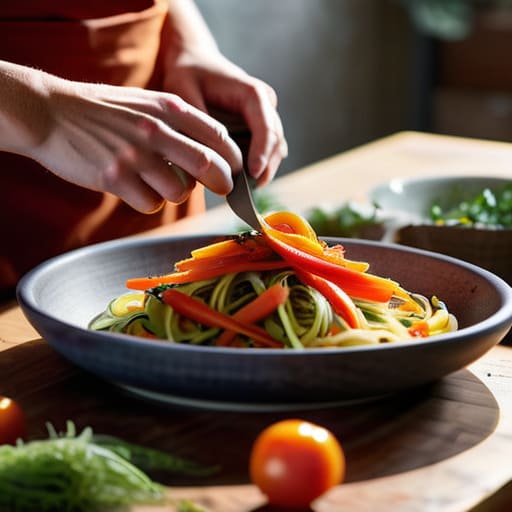
I remember sitting in my tiny apartment a few years ago, staring at a sad, wilted bag of spinach and a pile of expensive organic kale that I just didn’t have the energy to prep. I felt like I was failing at the whole “wellness” thing because every health blog I read made it seem like you needed a professional chef or a massive budget to actually succeed. The truth is, the internet has made the quest for how to eat more vegetables feel like a full-time job involving complicated meal prep containers and $15 juice cleanses. It’s exhausting, and honestly, it’s just not realistic for most of us living busy, real lives.
I’m not here to sell you on a lifestyle overhaul that requires a complete personality transplant. Instead, I want to share the simple, low-stress tweaks that actually worked for me when I was trying to find my balance. We’re going to skip the gourmet recipes and focus on practical, everyday wins that fit into a hectic schedule. My goal is to show you that adding more nutrients to your day can be surprisingly easy and, more importantly, actually enjoyable.
Table of Contents
Easy Ways to Eat More Greens Without the Fuss
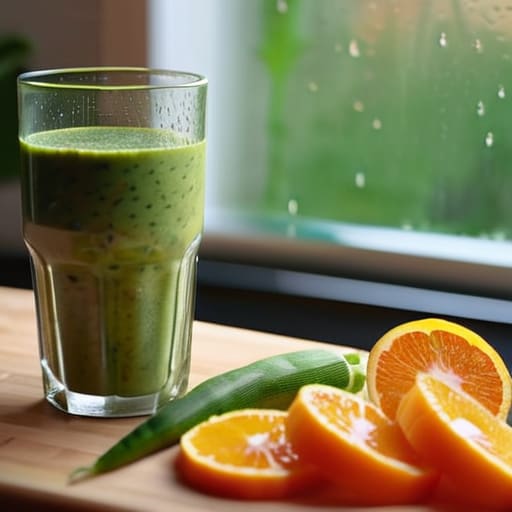
One of my favorite tricks is all about the “stealth mode” approach. If you aren’t a huge fan of the texture of steamed broccoli, don’t force it! Instead, look for hidden ways to add veggies to meals by blending them into things you already love. For instance, I love tossing a handful of baby spinach into my morning fruit smoothie; I promise you won’t even taste it, but you’ll definitely feel the energy boost. You can also finely grate zucchini or carrots into pasta sauces or even muffin batters. It’s a total game-changer for getting those nutrients in without feeling like you’re eating a giant salad.
If you’re someone who struggles with consistency, I highly recommend leaning into some simple vegetable meal prep ideas on a Sunday afternoon. You don’t need to spend hours in the kitchen; just roasting a big sheet pan of colorful peppers, onions, and sweet potatoes can save your week. Having these ready to toss into a grain bowl or an omelet makes choosing the healthy option feel effortless rather than a chore. It’s all about making the good stuff accessible when life gets busy.
Hidden Ways to Add Veggies to Meals You Already Love
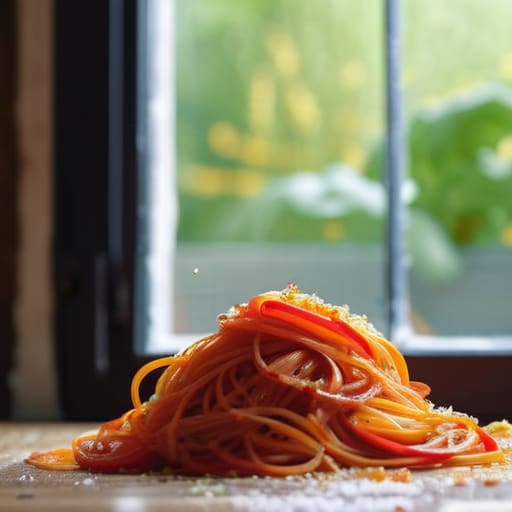
One of my favorite tricks when I’m feeling a bit uninspired in the kitchen is to stop thinking about vegetables as a “side dish” and start seeing them as a way to level up my favorites. For instance, if you’re making a standard pasta sauce, try blending in some steamed carrots or red bell peppers. It adds a lovely sweetness and creates a much richer texture without you even noticing the change. These are some of my go-to hidden ways to add veggies to meals that usually satisfy even my pickiest friends!
I also swear by my morning smoothie routine for those days when I’m rushing out the door. Instead of just fruit, I toss in a handful of frozen cauliflower or a scoop of spinach. Trust me, the cauliflower is a total game-changer because it makes the drink incredibly creamy without altering the flavor at all. It’s one of those simple smoothie vegetable hacks that makes increasing fiber intake through plants feel almost effortless. You’re getting all that goodness while still enjoying a delicious, refreshing breakfast.
My Go-To Strategies for Making Veggies a Daily Habit
- Keep a “ready-to-go” stash in the fridge. I’ve learned the hard way that if I have to chop a whole head of cauliflower when I’m already hungry, it’s not happening. Keep pre-washed baby spinach or sliced cucumbers at eye level in the crisper drawer so they’re the easiest thing to grab for a snack or a quick salad.
- Master the art of the “veggie boost” in your morning routine. If you’re a smoothie lover like me, toss in a handful of frozen cauliflower or some baby spinach. I promise, once it’s blended with a banana and some almond butter, you won’t even taste the greens, but your body will definitely feel the difference.
- Embrace the power of the sheet pan. On those busy weeknights when I’m running on fumes, I just toss whatever veggies are looking a little sad in the fridge—think broccoli, bell peppers, or sweet potatoes—onto a baking sheet with some olive oil and salt. It’s low effort, minimal cleanup, and makes everything taste a little more gourmet.
- Don’t be afraid to use frozen or canned options. There’s this misconception that everything has to be farm-fresh to be healthy, but honestly? Frozen peas and corn are lifesavers when my pantry is looking bare. They’re just as nutritious and take the guesswork out of meal prepping.
- Experiment with different textures and flavors. If you aren’t a fan of mushy steamed veggies, try roasting them at a high temperature to get those crispy, caramelized edges. Adding a little squeeze of lemon or a sprinkle of parmesan cheese can turn a boring side dish into something you actually look forward to eating.
My Top Tips for Keeping it Simple
Don’t feel like you have to overhaul your entire diet overnight; focus on small, effortless additions to your current favorites.
Keep things convenient by prepping ahead or using frozen options so that healthy choices are always the easiest ones to make.
Remember that it’s all about progress, not perfection—even a handful of spinach tossed into a smoothie counts as a win!
A Little Mindset Shift
“Eating more veggies shouldn’t feel like a chore or a strict rulebook; think of it more like adding tiny, colorful wins to your day that make you feel just a little bit more vibrant from the inside out.”
Emma Thompson
Small Steps, Big Changes
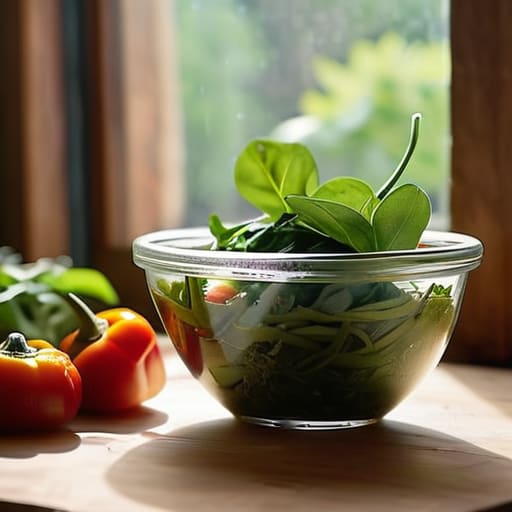
At the end of the day, increasing your veggie intake isn’t about a complete kitchen overhaul or following a strict, complicated meal plan. It’s really just about those tiny, intentional tweaks we talked about—like tossing a handful of spinach into your morning smoothie or finding ways to sneak some extra color into your favorite pasta sauce. Whether you’re prepping easy roasted snacks for the week or simply adding a side of greens to your dinner, remember that every single bite counts. You don’t have to be perfect; you just have to be consistent in ways that actually feel sustainable for your lifestyle.
I know that when life gets busy, wellness can sometimes feel like just another item on a daunting to-do list. But I promise you, nourishing your body with more plants is one of the kindest things you can do for yourself. Think of it less as a chore and more as a way to reclaim your energy and feel more vibrant throughout your day. We’re all just doing our best to find that sweet spot of balance, and I’m so excited for you to see how much better you feel when you start prioritizing these small wins. You’ve totally got this!
Frequently Asked Questions
I'm on a tight budget—how can I eat more veggies without my grocery bill skyrocketing?
I totally hear you—eating healthy shouldn’t feel like a luxury reserved for people with huge grocery budgets. I’ve been there! My best tip? Lean heavily into frozen and canned veggies. They’re just as nutritious as fresh, but way more budget-friendly and they won’t go bad in your crisper drawer. Also, don’t sleep on seasonal shopping; when you buy what’s in season, you’re getting the best quality at the lowest prices. Small wins, big savings!
What are some good ways to prep vegetables ahead of time so they don't just wilt in the fridge?
I’ve definitely been there—buying a massive bag of spinach only to find a soggy mess a week later. It’s so frustrating! To keep things fresh, I love washing and thoroughly drying my greens right away; using a salad spinner is a total game-changer here. For things like carrots or celery, storing them in a container partially filled with water keeps them incredibly crisp. It’s all about those little prep habits that save us time (and money!) later.
I really struggle with the texture of certain vegetables; are there ways to cook them so they're more palatable?
I totally hear you—texture can be a huge hurdle! I used to struggle with mushy greens and slimy textures, too. One trick I love is roasting veggies like broccoli or Brussels sprouts at a high temperature; it turns them crispy and delicious instead of soft. If you’re dealing with something more delicate, try blending them into a smooth soup or a smoothie. It’s all about finding that perfect consistency that feels right for you!