
I remember sitting at my old corporate desk, staring at a color-coded planner that cost more than my weekly groceries, feeling absolutely paralyzed. I had all these fancy systems and high-tech apps, yet I still felt like I was drowning in a sea of endless to-do lists. It’s honestly exhausting how much the productivity industry tries to sell us these complex, expensive “solutions” that actually just add more mental clutter to our lives. We don’t need more complicated software or rigid, military-style schedules; what we actually need are time management tips that work in the messy, unpredictable reality of real life.
I’m not here to sell you a lifestyle overhaul or a productivity miracle. Instead, I want to share the simple, no-nonsense strategies that actually helped me find my footing when I transitioned from the corporate grind to freelance life. We’re going to skip the fluff and focus on practical, bite-sized shifts that allow you to get your work done without losing your sanity in the process. Let’s ditch the overwhelm and find a rhythm that actually lets you breathe.
Table of Contents
Finding Focus Through Simple Daily Scheduling Strategies
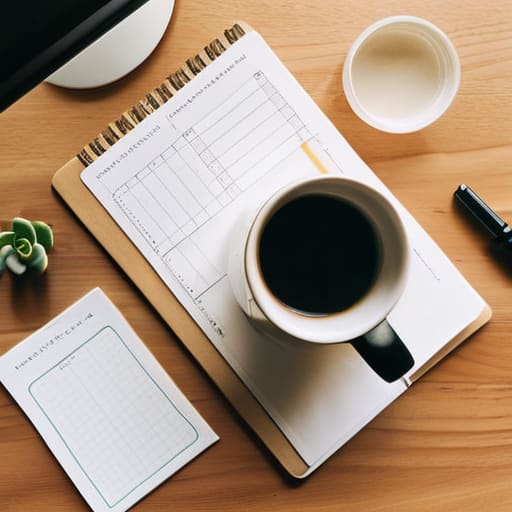
One of my favorite ways to stop the feeling of spinning my wheels is to stop treating my to-do list like a giant, scary monster. Instead of just writing down everything that pops into my head, I’ve started using some simple daily scheduling strategies to give my hours some actual structure. A game-changer for me was learning about the Eisenhower Matrix explained in a way that actually makes sense: it’s all about separating what’s truly urgent from what’s just loud. By categorizing tasks into “do now,” “schedule,” “delegate,” or “delete,” I stopped wasting my best morning energy on trivial emails and started tackling the big stuff first.
When I feel my focus starting to slip—usually around that mid-afternoon slump—I lean on the Pomodoro technique benefits to pull myself back together. I’ll set a timer for twenty-five minutes of deep work, followed by a quick five-minute stretch or a sip of tea. It turns a daunting afternoon into a series of small, manageable sprints. Honestly, it’s not about working harder; it’s about prioritizing tasks effectively so you can finish your work and actually enjoy your evening without that nagging sense of guilt.
Prioritizing Tasks Effectively to Ease Your Mind

Once you’ve got your schedule mapped out, the next hurdle is often that overwhelming feeling of looking at a massive to-do list and not knowing where to even start. I used to spend my mornings paralyzed by my inbox, spinning my wheels without actually moving the needle on anything important. To stop that mental fog, I started prioritizing tasks effectively by separating what’s actually urgent from what’s just… loud.
One of my favorite ways to do this is by using the Eisenhower Matrix explained in simple terms: you divide your tasks into four quadrants based on urgency and importance. It sounds a bit academic, I know, but it’s a total game-changer for your mental clarity. Instead of reacting to every little ping on your phone, you focus your energy on the high-impact stuff that actually moves your life forward. It’s not about doing more things; it’s about doing the right things so you can finally end your workday feeling accomplished rather than just exhausted.
Small Shifts to Help You Reclaim Your Time
- Embrace the “Two-Minute Rule” to clear the mental clutter. If a task pops up—like answering a quick email or putting away that pile of laundry—and it takes less than two minutes, just do it right then. It stops those tiny chores from snowballing into a mountain of stress later.
- Build in “buffer zones” between your big tasks. I used to schedule everything back-to-back, but I quickly learned that life happens! Giving yourself fifteen minutes of breathing room between meetings or projects keeps you from feeling like you’re constantly playing catch-up.
- Try “Time Boxing” for your deep work. Instead of just having a vague to-do list, carve out a specific block on your calendar for one single task. When that time is up, you move on. It’s a game-changer for staying focused when your brain wants to wander.
- Learn the gentle art of saying “no” (or “not right now”). We often overcommit because we want to be helpful, but saying yes to everything means saying no to your own peace of mind. Protect your energy so you can show up fully for the things that actually matter.
- Do a “Brain Dump” every evening. Before you close your laptop or head to bed, scribble down everything swirling in your head for the next day. Getting it out of your brain and onto paper helps you actually disconnect and enjoy your evening without that nagging feeling that you’re forgetting something.
Small Steps to a More Balanced Day
Remember that productivity isn’t about squeezing every last drop of work out of your day; it’s about creating a schedule that actually leaves room for you to breathe.
When things feel heavy, lean on your priority list to clear the mental fog so you can tackle what truly matters without the overwhelm.
Be kind to yourself on the days when things don’t go perfectly—finding your rhythm is a journey, not a race to a finished checklist.
## A Little Perspective on Your Clock
“Time management isn’t about squeezing every last drop of productivity out of your day; it’s about creating enough space so you can actually enjoy the life you’re working so hard to build.”
Emma Thompson
Taking the First Step Toward a Calmer You

We’ve covered a lot of ground today, from setting up simple daily schedules that actually work to mastering the art of prioritization so your brain can finally stop racing at 2:00 AM. I know that looking at a massive to-do list can feel like staring at a mountain you’re just not prepared to climb, but remember that these tools aren’t about becoming a perfect, unfeeling productivity machine. It’s really just about creating small pockets of breathing room in your day. By implementing these tiny shifts in how you approach your tasks, you aren’t just checking boxes; you are reclaiming your mental energy so you can show up more fully for the things that truly matter.
As you head back into your week, please remember to be kind to yourself. Some days, you’ll nail your schedule and feel like you’ve conquered the world, and other days, life will happen—the laundry will pile up, or a work crisis will pop up out of nowhere—and that is perfectly okay. Time management isn’t a destination you reach and then stay at forever; it’s a continuous, gentle practice of checking in with yourself. You don’t have to do everything at once. Just pick one small thing we talked about today and try it out. I truly believe that small, consistent changes are what lead to that balanced, beautiful life we’re all striving for. You’ve got this!
Frequently Asked Questions
What should I do when my planned schedule completely falls apart due to unexpected emergencies?
Oh, I have been there more times than I can count—usually with a spilled coffee or a sudden deadline looming! When the chaos hits, take a deep breath and ditch the original plan. Don’t try to force the old schedule; it’s gone. Instead, do a quick “triage.” Identify the one or two most essential things that must happen today and let the rest slide. Be kind to yourself; tomorrow is a fresh start.
How can I stay motivated to stick to these new habits when I feel burnt out?
Oh, I have been there more times than I can count. When burnout hits, even the best productivity plan feels like a heavy weight. My biggest piece of advice? Give yourself permission to scale back. Instead of pushing through, try the “micro-habit” approach—do just one tiny thing, even if it’s just five minutes. It keeps the momentum alive without draining your battery. Remember, self-care isn’t a distraction from your goals; it’s what makes them sustainable.
Are there any simple tools or apps you recommend that don't feel overwhelming to use?
I totally get it—sometimes a new app feels like just another chore on your to-do list! Honestly, I’m a huge fan of keeping it low-tech. A simple paper planner or even just a sticky note on my desk works wonders. If you do want to go digital, try Todoist for its simplicity, or Google Calendar for a visual layout. The goal is to find something that supports you, not something you have to manage!