
I was sitting on my kitchen floor last Tuesday, surrounded by half-repaired thrift store chairs and a mountain of mismatched screws, feeling completely overwhelmed by the sheer weight of my to-do list. My mind was racing through everything that was going wrong, and the last thing I wanted to do was sit down and write a “blessed” list in a fancy leather journal. Honestly, I used to think that learning how to practice gratitude meant you had to buy expensive planners or spend forty minutes meditating in total silence, which just felt like one more chore on an already exhausting day.
But here’s the thing: gratitude shouldn’t feel like a performance or a heavy lift. I’ve spent years figuring out how to weave appreciation into the messy, unpolished reality of a busy life, and I want to share those small, realistic wins with you. In this post, I’m skipping the fluff and the high-priced wellness trends to give you some genuine, low-effort ways to shift your perspective. We’re going to focus on simple shifts that actually work when life gets loud, helping you find a little more balance without adding to your mental load.
Table of Contents
The Scientific Impact of Gratitude on Your Daily Peace

Now, I know what you’re thinking—is this just more “woo-woo” advice, or is there actually some substance behind it? It turns out, there really is. When we dive into the scientific impact of gratitude, we see that it’s not just about feeling fuzzy inside; it’s about how our brains are wired. When we consciously focus on what’s going well, our brains release dopamine and serotonin. These are those “feel-good” neurotransmitters that naturally boost our mood and help us feel more grounded.
By making this a habit, you’re essentially training your brain to look for the good rather than scanning for threats or stressors. This shift is a huge part of cultivating a positive mindset, and it can actually lower your cortisol levels—the hormone responsible for that frantic, stressed-out feeling we all know too well. Instead of living in a constant state of “fight or flight,” practicing thankfulness helps shift your nervous system into a state of rest and repair. It’s like giving your brain a little mental exhale after a long, hectic day.
Small Daily Mindfulness Exercises for a Balanced Soul
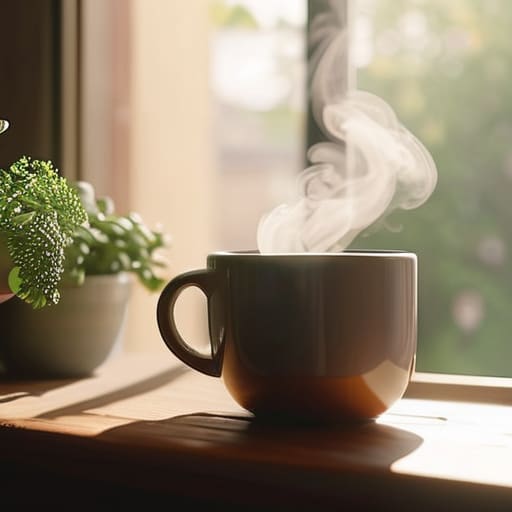
When we talk about making shifts in our routine, it doesn’t have to mean sitting on a meditation cushion for an hour. In fact, I’ve found that the most effective daily mindfulness exercises are the ones that slide right into the cracks of a busy schedule. For me, it’s all about those tiny, intentional moments. Try pairing a moment of reflection with something you already do, like sipping your morning coffee or even while you’re watering your urban garden. Instead of scrolling through your phone, just take three deep breaths and notice the warmth of the mug in your hands. It sounds almost too simple, but it really helps ground you before the chaos of the day kicks in.
If you’re looking for a bit more structure, I can’t recommend the benefits of gratitude journaling enough. You don’t need to write a novel; just grab a notebook and jot down three specific things that went well. To keep it fresh, try using different gratitude journal prompts each week—like “What made me laugh today?” or “Who is someone I’m glad is in my corner?” This keeps the practice from feeling like a chore and helps you stay focused on the good stuff.
Low-Lift Ways to Make Gratitude a Habit
- Keep a “wins” jar on your desk. Instead of a formal journal, just jot down one good thing that happened on a scrap of paper and pop it in the jar. On those days when everything feels a bit heavy, you can literally see a physical collection of your bright moments.
- Try “gratitude snacking” during your morning coffee. While you’re waiting for the brew to finish, think of three specific things you’re looking forward to. It’s not about the big stuff like a promotion; it could be as simple as the way the sunlight is hitting your plants.
- Use your phone for good. We spend so much time scrolling, so why not turn that habit around? Send a quick, “thinking of you” text to a friend or a thank-you note to a colleague. It takes thirty seconds, but the connection (and the boost to your own mood) is huge.
- Reframe your “have-to’s” into “get-to’s.” This was a game-changer for my own stress levels. Instead of thinking, “I have to finish this report,” try telling yourself, “I get to tackle this project because I have a job that challenges me.” It sounds a little cheesy at first, but it really shifts your perspective.
- End your day with a quick mental scan. As you’re tucking yourself in, find one small thing from the last 24 hours that made you smile. It helps train your brain to look for the good throughout the day so you’re ready to spot it when you hit the pillow.
Bringing It All Together: My Top Three Tips
Don’t aim for perfection; even just jotting down one tiny thing that went right during a hectic day can shift your entire perspective.
Make it a habit by tying your gratitude practice to something you already do, like sipping your morning coffee or winding down before bed.
Remember that it’s not about ignoring the tough stuff, but about intentionally making space for the good things that exist right alongside the chaos.
A Little Perspective Goes a Long Way
“Gratitude isn’t about pretending everything is perfect; it’s about finding those tiny, quiet moments of goodness even when life feels a bit chaotic—it’s the little wins that really help us keep our balance.”
Emma Thompson
Finding Your Rhythm with Gratitude

As we wrap things up, I hope you can see that gratitude isn’t about ignoring the tough days or pretending everything is perfect. It’s really about those small, intentional shifts we talked about—from understanding the science behind how a positive mindset rewires our brains to those tiny, quiet moments of mindfulness that ground us when life feels a bit too loud. Whether you’re jotting down a quick note in a journal or simply pausing to appreciate your morning coffee, these tiny habits are the building blocks of a much more peaceful existence. It’s all about reclaiming your perspective one small win at a time.
If I could leave you with just one thought today, it’s this: please be patient with yourself. Some days, finding something to be thankful for will feel as easy as picking a pair of my favorite patterned socks, and other days, it might feel like a real uphill battle. That is perfectly okay. The goal isn’t perfection; it’s simply showing up for yourself. I truly believe that as you lean into this practice, you’ll find that life doesn’t just get easier—it gets deeper and more meaningful. You’ve got this, and I’m so glad we’re on this journey toward balance together.
Frequently Asked Questions
What do I do on days when everything feels like it's going wrong and I can't find anything to be grateful for?
Oh, I have been there more times than I’d like to admit. On those heavy days, trying to find “big” things to be thankful for feels impossible and, honestly, a little fake. When everything is crashing down, don’t aim high. Just look for the tiny, sensory things: the warmth of your coffee, a soft blanket, or even just the fact that you breathed through a tough minute. Start there. Tiny wins count.
Do I need to carry a physical journal around, or are there easier ways to do this on the go?
Honestly, don’t feel like you need to lug a heavy leather journal around everywhere! I used to think that, but it just felt like another chore. If you’re on the move, your phone is your best friend. I love using a simple notes app or even just a dedicated “Gratitude” folder in my photo gallery to snap pictures of things that make me smile. Even a quick voice memo works wonders when you’re commuting!
How long does it actually take before I start noticing a real shift in my mood?
Honestly, it’s a bit of a “sliding doors” moment. For some of my friends, they feel a little lighter after just a few days of consistent practice. But for me? I really started noticing a genuine shift in my baseline mood after about three weeks. It’s not an overnight magic trick, so don’t get discouraged if you don’t feel a “zen” glow immediately. Just keep showing up for yourself—the momentum will follow!