
I remember sitting on my living room floor last Tuesday, staring at my expensive, dusty yoga mat and feeling a massive wave of guilt. I had every piece of high-tech gear imaginable, yet I couldn’t figure out how to stay consistent with exercise for more than three days in a row. It felt like I was failing at something that was supposed to be “self-care,” when in reality, I was just exhausted from trying to follow these rigid, all-or-nothing fitness influencers who make it look like you need a two-hour window and a designer smoothie every single morning.
I’m over the hype, and I know you are too. In this post, I’m skipping the complicated gym splits and the expensive memberships to share the small, realistic shifts that actually worked for me when life got messy. We’re going to talk about building a routine that fits into your actual, busy life—not some idealized version of it. My goal is to give you a few no-nonsense strategies that make movement feel less like a chore and more like a natural, sustainable part of your day.
Table of Contents
The Gentle Art of Setting Realistic Fitness Goals
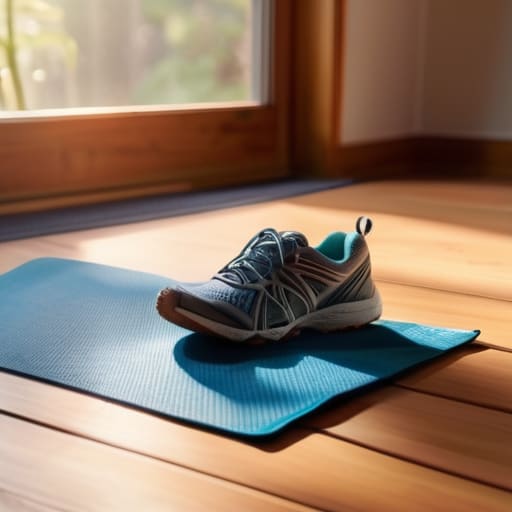
One of the biggest mistakes I see people making is trying to go from zero to sixty overnight. We’ve all been there—you wake up on a Monday feeling incredibly motivated, so you decide you’re going to hit the gym for an hour every single day. But by Thursday, the burnout sets in, and suddenly, the couch feels a lot more inviting than the treadmill. When it comes to setting realistic fitness goals, it’s much more effective to aim for something you can actually sustain on your busiest, most stressful days.
I like to think of it as building a foundation rather than sprinting toward a finish line. Instead of focusing on intense, grueling sessions, try focusing on building fitness habits that feel manageable. For me, that might mean committing to just a fifteen-minute walk after lunch. It sounds small, but it’s about proving to yourself that you can show up consistently. When you prioritize small, repeatable wins, you stop viewing movement as a mountain to climb and start seeing it as a natural, easy part of your daily rhythm.
Using Habit Stacking for Fitness to Ease Into Motion
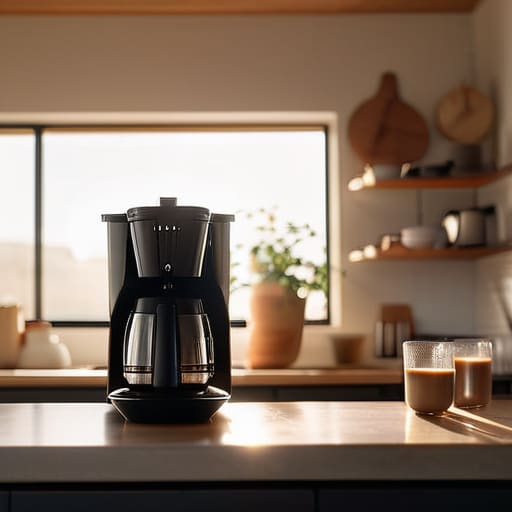
If the idea of carving out a massive, dedicated hour for the gym feels daunting, I want to introduce you to a little secret that changed the game for me: habit stacking for fitness. This concept is all about piggybacking a new movement onto something you already do without thinking. Instead of trying to summon the willpower to start a workout from scratch, you simply anchor it to an existing pillar of your day. For example, if you always brew a pot of coffee in the morning, try doing ten air squats or some gentle stretching while the machine is doing its thing.
By linking a new movement to an established trigger, you’re essentially using the psychology of exercise adherence to your advantage. You aren’t relying on fleeting motivation; you’re building a bridge between your current life and your new goals. This makes building fitness habits feel less like a monumental task and more like a natural evolution of your daily flow. It’s these tiny, almost invisible wins that eventually create the momentum you need to keep going.
Small Shifts for Big Wins: 5 Ways to Keep the Momentum Going
- Listen to your body’s cues. Some days you’ll feel like crushing a high-intensity workout, and other days a gentle walk is exactly what your soul needs. Consistency isn’t about intensity every single day; it’s about showing up in a way that doesn’t leave you feeling burnt out or resentful.
- Find your “why” beyond the scale. If your only motivation is a number on a scale, it’s easy to lose steam when the numbers don’t move fast enough. Try focusing on how movement makes you feel—maybe it’s the mental clarity after a midday stretch or the boost in energy you get for your afternoon projects.
- Prep your environment to make it easy. I’m a huge believer in removing friction. Lay out your favorite workout clothes the night before, or keep your sneakers right by the door. When the decision-making is already done, there’s one less hurdle standing between you and your movement.
- Ditch the “all or nothing” mindset. We’ve all been there—you miss one day and feel like the whole week is a wash. Please, don’t do that to yourself! If you can’t do a full forty-minute session, just do ten minutes of yoga or a quick stroll around the block. A little bit of movement is always better than none at all.
- Make it something you actually enjoy. If you absolutely loathe running on a treadmill, stop doing it! Life is too short to spend your precious free time doing exercises that feel like a chore. Whether it’s a dance class, a gardening session, or a weekend hike, find the movement that feels more like play than work.
Quick Wins to Keep You Moving
Focus on small, manageable wins rather than perfection; it’s much better to do five minutes of stretching than to skip a workout entirely because you didn’t have an hour to spare.
Use your existing daily rituals as anchors for your new habits, making it much easier for movement to feel like a natural part of your flow rather than an extra chore on your to-do list.
Be kind to yourself on the days when life gets messy, because consistency isn’t about never missing a beat—it’s about how quickly you find your rhythm again after a break.
## A Little Reminder for the Journey
“Consistency isn’t about being perfect or hitting a personal record every single day; it’s about showing up for yourself in the small, messy, and unglamorous moments, knowing that even a five-minute walk counts as a win.”
Emma Thompson
Finding Your Own Pace

As we wrap this up, I want you to remember that staying consistent isn’t about hitting a perfect streak or crushing a grueling workout every single morning. It’s really about those small, intentional shifts we talked about—setting goals that actually feel attainable rather than intimidating, and using habit stacking to weave movement into the rhythm of your existing life. Whether you’re just adding a ten-minute walk after lunch or finally committing to that yoga flow, the goal is to make fitness feel like a natural extension of who you are, not a chore on an endless to-do list. When you focus on building sustainable habits rather than chasing perfection, you take the pressure off and actually give yourself the space to succeed.
At the end of the day, please be kind to yourself on the days when things don’t go according to plan. Life happens—work gets hectic, the kids get sick, or sometimes you just plain need a nap—and that is perfectly okay. Consistency isn’t about never missing a beat; it’s about showing up again the very next time you can. You don’t have to transform your entire life overnight to see meaningful changes. Just take that one small step today, trust your own unique process, and remember that I’m right here cheering you on every step of the way. You’ve got this!
Frequently Asked Questions
What should I do on those days when I’m just completely exhausted and feel like I can't even do a "small" workout?
Oh, I have been there more times than I can count—those days where even a five-minute stretch feels like climbing Everest. Honestly? Give yourself permission to rest. Sometimes, the most productive thing you can do for your long-term consistency is to listen to your body and recharge. If you really feel the itch to move, try just some gentle mobility work or a slow walk around the block. If not, just call it a rest day and try again tomorrow.
How do I stop myself from feeling guilty or like a failure when I inevitably miss a day or two?
Oh, I have been there more times than I can count. Honestly, that heavy feeling of guilt is usually the biggest hurdle to actually getting back on track. Please, give yourself some grace! Missing a day doesn’t erase your progress; it just makes you human. Instead of spiraling, try to view it as a tiny detour rather than a dead end. Just acknowledge it, shake it off, and focus on the very next opportunity to move.
How do I know if I'm actually making progress if I'm not following a strict, intense gym program?
I totally get that feeling—it’s easy to feel like if you aren’t sweating through a hardcore HIIT session, you aren’t “doing it right.” But progress isn’t always about a number on a scale or a heavy weight. Look for the “quiet wins”: Are you sleeping better? Do you have more energy to tackle your to-do list? Maybe you’re just feeling less stiff when you wake up. Those small, steady shifts are huge victories!